 how-to
Modern Landscape Trends for Home Resale Value
Table of Contents
- Why Modern Landscape Trends Matter for Resale
- How Landscaping Affects Your Home's Resale Value
- Modern Landscape Design Ideas That Increase Home Value
- Low-Maintenance Landscaping for Curb Appeal
- Structural Plants for Modern Garden Design
- Landscaping to Increase Home Value: A Prioritized Approach
- Climate-Resilient Design and Regional Buyer Preferences
- Getting Your Landscape Ready for Sale
- Frequently Asked Questions
Last Updated: October 10, 2026
Why Modern Landscape Trends Matter for Resale
When you're preparing to sell your home, every detail counts. Understanding modern landscape trends resale value is essential because they shape the first impression buyers get before they even step inside. The front yard is often the deciding factor in whether a potential buyer schedules a showing or keeps scrolling through listings.
Outdated landscaping signals deferred maintenance to buyers. A modern, well-designed outdoor space tells a different story: this property has been cared for, it's move-in ready, and it's worth the asking price.
Buyers form opinions within seconds of arriving. Modern landscape design means making strategic updates that align with what today's buyers actually want, not tearing everything out and starting fresh.
How Landscaping Affects Your Home's Resale Value
The impact works on multiple levels:
- First impressions drive showings. Buyers decide within moments whether they want to see the inside. Poor curb appeal means fewer people even walk through your door.
- Perceived maintenance quality matters. A clean, modern yard signals that the entire home has been maintained. Overgrown plants and dead branches suggest hidden problems elsewhere.
- Outdoor living is now expected. Modern buyers see the yard as part of the living space, not just landscaping. They want functional, attractive outdoor areas they can use immediately.
- Design consistency increases value perception. When your landscaping complements your home's architecture and style, the whole property feels more valuable and intentional.
Modern Landscape Design Ideas That Increase Home Value
The strongest approach is to understand which modern landscape trends resale buyers prioritize and how much resale lift they typically generate.
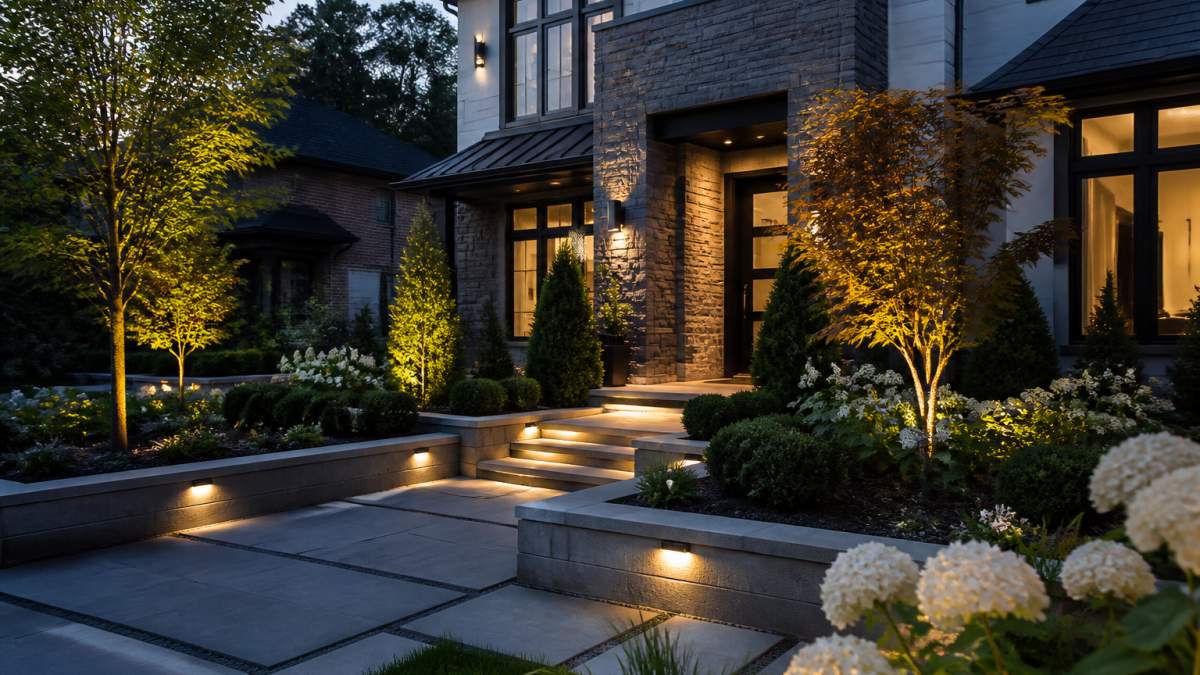
Clean Lines and Contemporary Hardscaping
Modern landscape design emphasizes clean lines and contemporary hardscaping that creates visual order. Buyers immediately notice when a yard feels organized and intentional.
Contemporary hardscaping means:
- Straight edges and geometric patterns in patio and walkway design
- Quality materials like pavers, stone, or composite decking instead of cracked concrete
- Defined planting beds with clear borders rather than plants scattered randomly
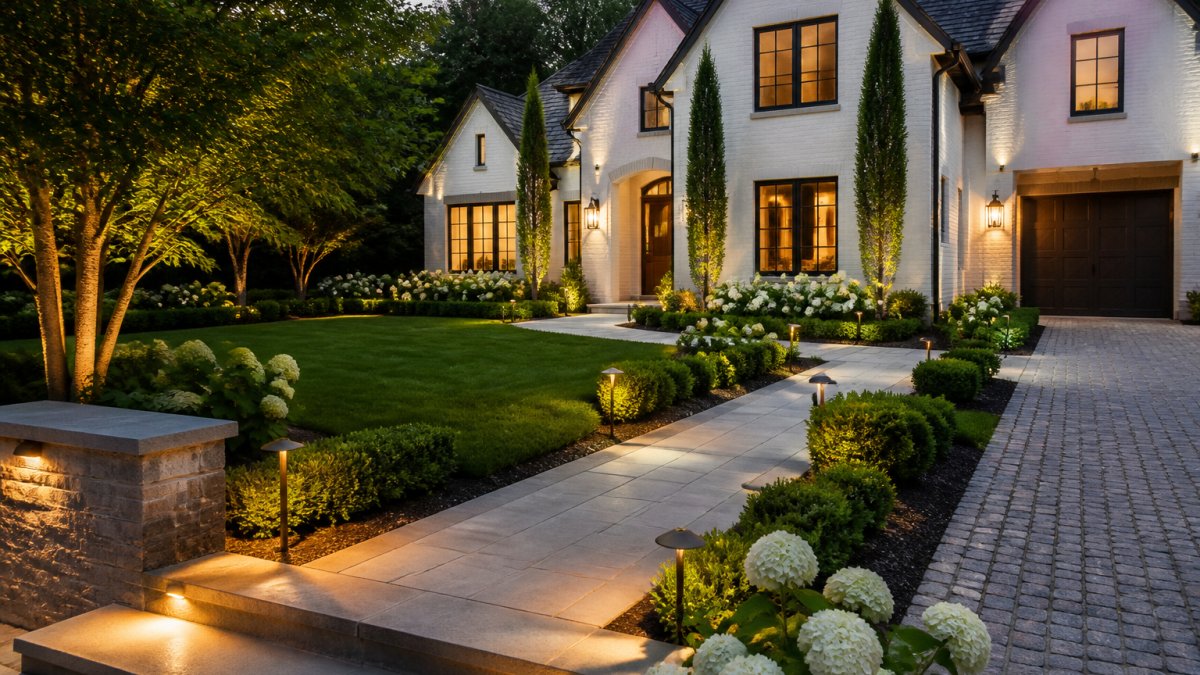
- Professional-grade landscape lighting that highlights key features
Why it matters for resale: Clean hardscaping is one of the highest-impact updates because it's visible year-round and signals intentional property care. Hardscaping projects require upfront investment but minimal ongoing maintenance.
Best application: Focus hardscaping updates on high-visibility areas, the front entry, primary walkway, and any patio or deck space adjacent to the home. These areas drive first impressions and are where buyers spend the most time evaluating the property.
Outdoor Living Spaces with Purpose
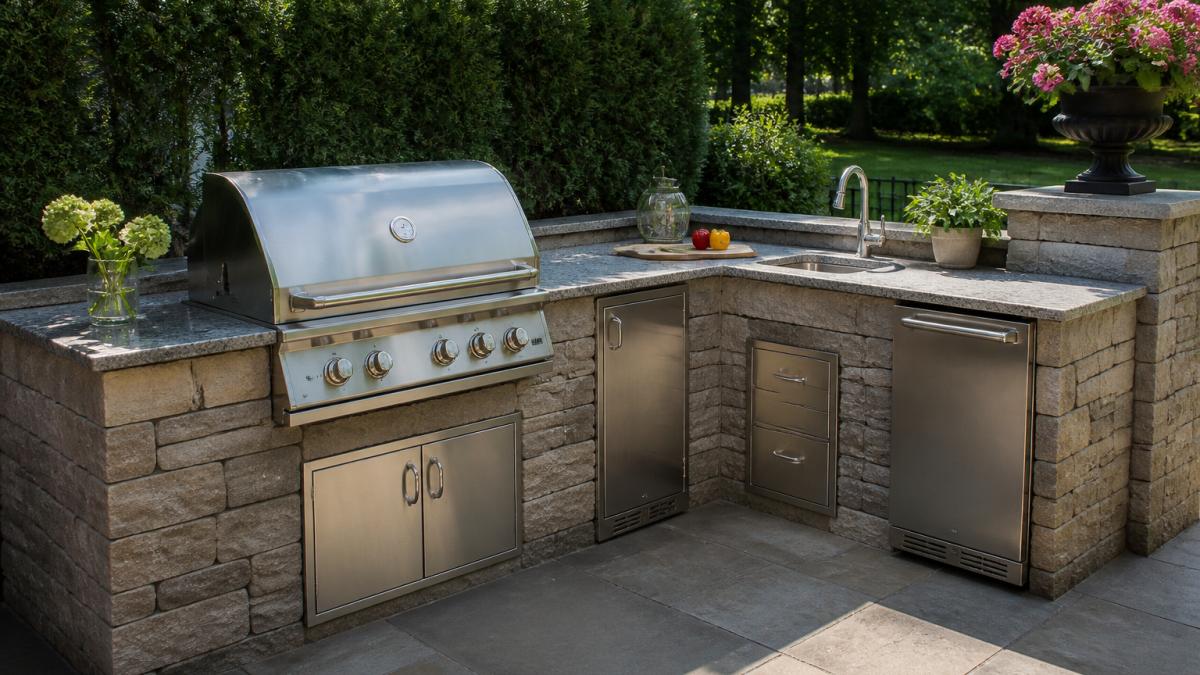
Buyers now expect functional outdoor living spaces. Outdoor living spaces with purpose are extensions of the home where people actually spend time.
This means:
- A defined patio or deck area with seating, not just a lawn
- Shade structures like pergolas or modern shade sails
- Accessible pathways that connect different areas of the yard
- Defined zones for dining, lounging, or entertaining
Why it matters for resale: Properties with functional outdoor living space command measurable buyer interest and extend the perceived living area.
Maintenance and cost reality: The key is matching the structure to what buyers in your area actually value, a clean, functional patio almost always delivers resale payback.
Best application: Prioritize outdoor living updates if your property has a visible rear or side yard and if similar homes in your neighborhood feature defined patio or deck space. If your yard is small or heavily shaded, a modest seating area or defined pathway may deliver more perceived value than an elaborate structure.
Structural Plants and Year-Round Interest
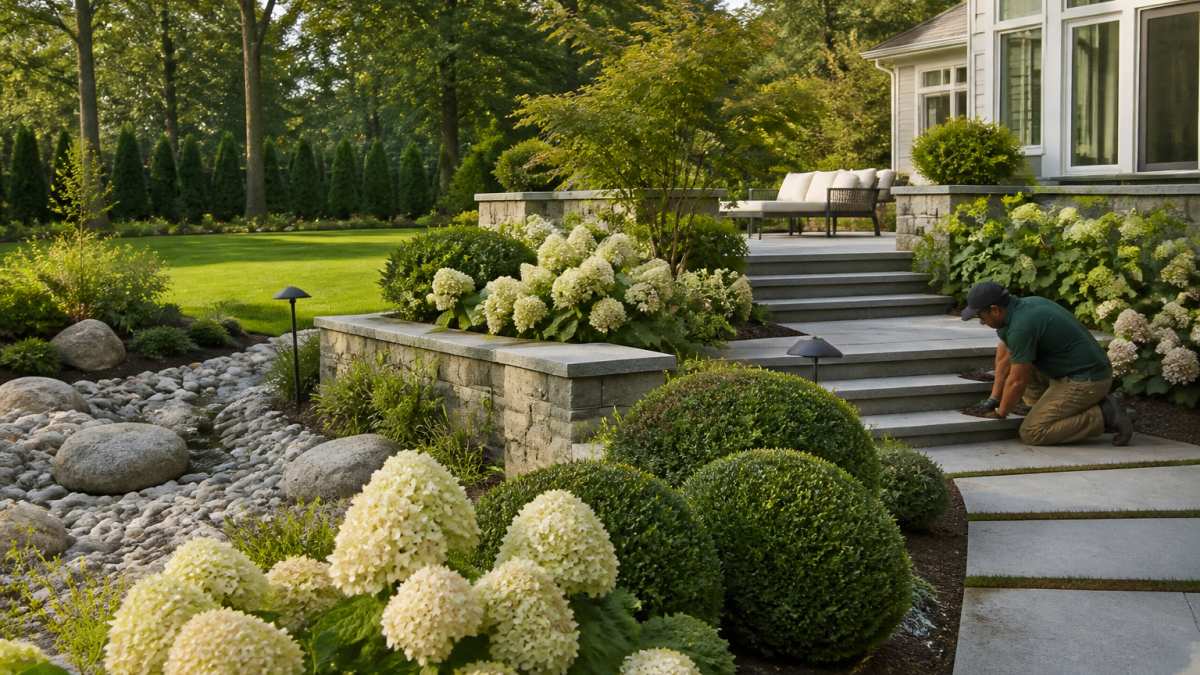
Plant selection is critical for modern curb appeal. Structural plants for modern garden design provide visual interest and year-round appeal without requiring constant maintenance or pruning. Evergreen shrubs, ornamental grasses, dwarf conifers, and native plants hold their form naturally and look intentional through all seasons. Replace key plants in high-visibility areas (front entry, corners, bed edges) with structural varieties, strategic replacement of 3-5 key plants can transform the entire front appearance.
Low-Maintenance Landscaping for Curb Appeal
Low-maintenance landscaping for curb appeal signals that the property won't become a burden after purchase. Native and drought-tolerant plants, mulched beds, drip irrigation, and structural plants that hold their shape without frequent pruning all reduce maintenance demands. Buyers specifically look for evidence that a yard won't demand weekend labor.
Structural Plants for Modern Garden Design
Plant selection is critical for modern curb appeal. Structural plants for modern garden design provide visual interest and year-round appeal without requiring constant maintenance or pruning.
Structural plants are those that hold their form naturally and provide consistent visual impact:
- Evergreen shrubs that maintain shape through seasons
- Ornamental grasses that add texture and movement
- Dwarf conifers that provide architectural interest
- Boxwoods and similar plants that define space without fussy pruning
- Native plants adapted to local climate conditions
The difference between a modern yard and a dated one often comes down to plant selection. Overgrown foundation shrubs and random scattered plantings feel old. Thoughtfully selected structural plants that define space and provide year-round interest feel current.
When you're evaluating your landscape for resale, look at your plants honestly. Are they holding their shape? Do they look healthy and intentional? Or do they look overgrown, tired, and randomly placed? Replacing a few key plants can transform the entire appearance of your property.
Landscaping to Increase Home Value: A Prioritized Approach
Landscaping to increase home value requires prioritization. Focus on updates that buyers notice first and value most.
Start with what buyers see immediately:
- Front entry and walkway, This is the highest-impact area. Clean lines, quality materials, and good lighting matter most here.
- Lawn appearance, A healthy, well-maintained lawn signals overall property care. If your lawn is thin, weedy, or bare, that's the first thing to address.
- Overgrown plants and dead branches, Remove anything that looks neglected. Dead wood and overgrown shrubs are immediate red flags to buyers.
- Landscape lighting, Professional lighting that highlights key features adds perceived value and shows attention to detail.
- Patio or deck area, If you have outdoor living space, make sure it's clean, functional, and well-maintained.
- Planting beds, Define beds with clean edges and quality mulch. Organized planting areas look intentional and modern.
The most impactful changes, structural design, professional lighting, irrigation systems, and significant planting, usually benefit from professional expertise.
Climate-Resilient Design and Regional Buyer Preferences
Climate-resilient design is increasingly important because buyers understand that drought-tolerant, low-water plants make financial sense and reduce long-term maintenance burden.
Why Climate-Resilient Landscaping Matters for Resale
Climate-resilient landscaping appeals to buyers because native plants reduce water bills and maintenance costs, look healthier with minimal fussing, and signal environmental awareness and forward-thinking property management.
Regional Variation in Buyer Priorities
What buyers value in landscaping depends heavily on local climate and market norms:
In arid and semi-arid regions: Drought-tolerant plants, efficient irrigation systems, and water-wise design are not optional, they're expected. Buyers in these areas actively penalize properties with high-water ornamental plantings or inefficient irrigation. Native xeriscaping (low-water landscaping using native plants) is the standard, and properties that follow it command stronger buyer interest.
In temperate and humid regions: Climate-resilient design still matters, but the emphasis shifts. Buyers value shade trees (which reduce cooling costs), well-draining soil and plantings (which prevent water damage), and native plants that support local pollinators and wildlife. The focus is on resilience to local weather patterns, heavy rain, humidity, seasonal flooding, rather than drought.
In transitional zones: Properties in regions experiencing shifting rainfall patterns or temperature extremes benefit most from climate-resilient design. Buyers in these areas are increasingly aware that traditional landscaping may not perform well in 10-15 years, making adaptive plant choices a smart investment signal.
Practical Climate-Resilient Updates That Support Resale
Native plant selection: Replace struggling ornamentals with plants native to your region. Native plants are adapted to local soil, rainfall, and temperature, so they thrive with minimal intervention. They also support local pollinators and wildlife, which appeals to environmentally conscious buyers.
Efficient irrigation systems: Hand watering or inefficient sprinkler systems signal poor property management to buyers. Smart irrigation systems, drip irrigation, or soaker hoses reduce water waste and demonstrate that the property is managed thoughtfully. These systems also reduce buyer anxiety about ongoing maintenance costs.
Shade trees and cooling strategy: In warm climates, mature shade trees reduce cooling costs and improve outdoor comfort. Buyers value this tangible benefit. If your property lacks shade, planting a young shade tree signals long-term thinking and environmental awareness.
Stormwater management and drainage: In regions prone to heavy rain or flooding, buyers specifically look for evidence that the landscape handles water well. Defined drainage patterns, rain gardens, permeable paving, or strategic grading that directs water away from the home all signal competent property management and reduce buyer concern about water damage.
Estimating Resale Payback for Climate-Resilient Updates
Climate-resilient landscaping typically delivers strong resale value because the improvements are both visible and functional. A buyer can see healthy native plants and efficient irrigation, and they understand the cost savings immediately.
Quick payback updates:
- Replacing high-water ornamentals with native plants: modest upfront cost, visible improvement, strong buyer appeal
- Installing smart irrigation or drip systems: moderate upfront cost, clear utility savings, appeals to cost-conscious buyers
- Planting shade trees: moderate upfront cost, long-term cooling savings, strong curb appeal
Longer-term payback:
- Major landscape redesign around climate-resilient principles: higher upfront investment, but appeals to environmentally conscious buyers and reduces long-term maintenance burden
The key is matching your climate-resilient updates to what buyers in your region actually value and what your property's specific conditions require. A property in a drought-prone area that still features water-intensive turf and ornamentals signals poor property management. A property with native plants, efficient irrigation, and thoughtful water management signals the opposite.
Getting Your Landscape Ready for Sale
When you decide to sell, your landscape needs a refresh. Don't wait until your home is listed. Start preparing your outdoor space months before you put the property on the market.
The pre-sale landscape checklist:
- Remove all dead branches, dead plants, and yard debris
- Trim overgrown shrubs and trees to define clean lines
- Edge all planting beds for a manicured appearance
- Refresh mulch in all beds for a finished look
- Power wash walkways, patios, and driveways
- Add landscape lighting to highlight key features
- Repair any broken fencing, gates, or hardscaping
- Ensure all lawn areas are healthy and well-maintained
- Plant seasonal flowers or colorful plants for visual interest
- Make sure all pathways are clear and accessible
These updates don't require major renovation. They require attention to detail and cleanliness. Buyers notice when a yard looks cared for versus neglected.
Professional landscape maintenance in the months before sale makes a measurable difference. Clean, organized, well-lit outdoor spaces attract more buyer interest and support higher offers.
When you're preparing to sell, your landscape is working for or against you. Modern landscape design isn't about expensive trendy choices. It's about creating an outdoor space that appeals to today's buyers and shows your property at its best. Four Seasons Landscaping NY specializes in helping luxury homeowners throughout the region prepare their properties for sale through strategic landscape updates, professional maintenance, and thoughtful design.
Frequently Asked Questions
Does landscaping increase a home's resale value?
Yes. Landscaping directly influences buyer perception and asking price. Well-maintained outdoor spaces with modern design elements, healthy plants, and attractive hardscaping create strong first impressions and signal property care. Buyers often view landscaping as a reflection of overall home maintenance, making it a factor in their offer decisions and willingness to pay closer to asking price.
What modern landscape design ideas have the best return on resale?
Clean hardscaping, professional outdoor lighting, low-maintenance plant selections, and defined outdoor living spaces tend to attract buyers. Modern landscape design ideas that emphasize cohesion, minimal upkeep, and contemporary aesthetics appeal to today's buyers more than overly ornate or high-maintenance designs. Native and drought-tolerant plants also signal responsible stewardship, which appeals to environmentally conscious buyers.
How can you make landscaping look luxurious without overdesigning?
Focus on quality over quantity. Select a limited plant palette with structural integrity, invest in professional hardscaping and lighting, maintain clean lines and clear sight lines, and ensure everything is immaculately maintained. Luxury landscapes often succeed through restraint, a few high-quality elements executed flawlessly outperform cluttered yards with many mediocre features.
Are native plants a good choice for resale appeal?
Native plants are increasingly valued by buyers because they require less water, attract pollinators, and reduce maintenance demands. They signal environmental responsibility and lower long-term upkeep costs, both attractive to modern homebuyers. When incorporated into a cohesive, modern landscape design, native plants enhance curb appeal while reducing perceived maintenance burden for the next owner.