 how-to
How to Design a Low-Maintenance Luxury Garden
Table of Contents
- Step 1: Assess Your Space and Define Your Vision
- Step 2: Plan Low-Maintenance Garden Design Principles
- Step 3: Select Low-Maintenance Garden Plants
- Step 4: Install a Garden Irrigation System Design
- Step 5: Choose Hardscape Materials and Finishes
- Step 6: Create Luxury Outdoor Living Space Ideas
- Step 7: Plan for Year-Round Maintenance and Seasonal Care
- Frequently Asked Questions
Last Updated: October 9, 2026
Step 1: Assess Your Space and Define Your Vision
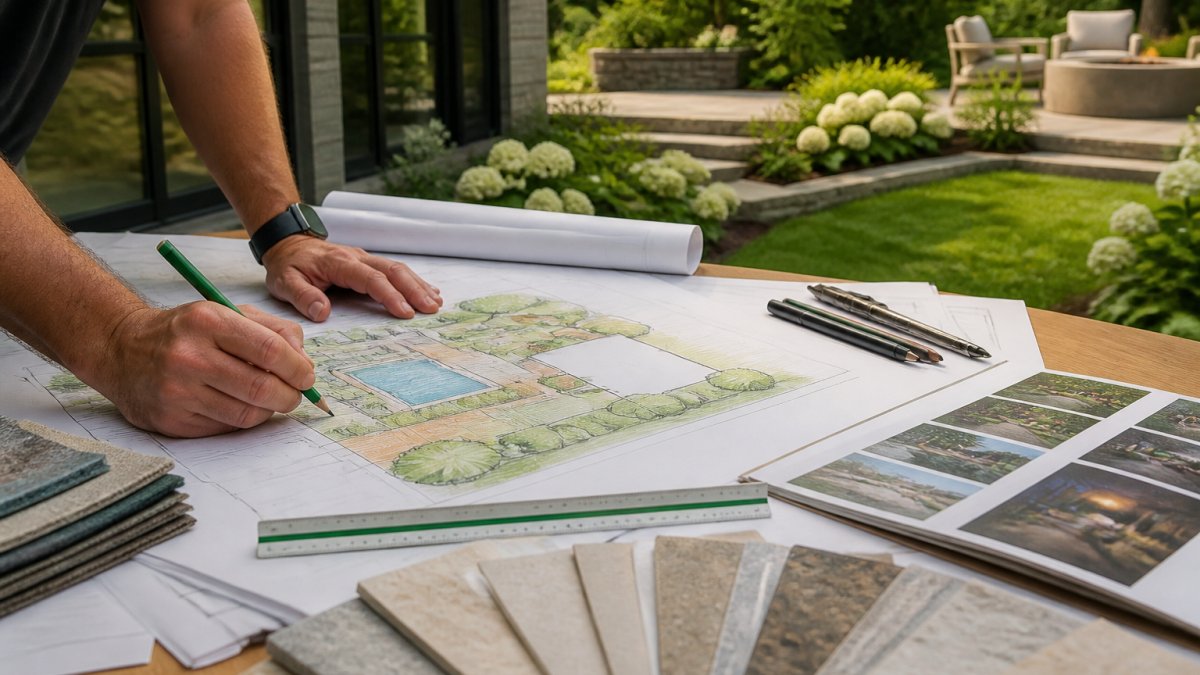
Designing a low-maintenance luxury garden starts with understanding what you're working with. Before you pick a single plant or material, measure your space carefully and identify the aesthetic you want to achieve. This foundation determines every choice that follows.
Measure and Document Existing Conditions
Walk your property with a tape measure and notebook. Record the dimensions of your garden area, noting the direction it faces (north, south, east, or west).
Take photos from multiple angles. Note any existing structures, trees, or hardscape elements you plan to keep. This data becomes your design blueprint. Accurate measurements prevent costly mistakes later.
Pay attention to soil conditions. Dig a few small holes and observe the texture. Is it clay, sandy, or loamy? Does water drain quickly or pool? These details matter for selecting plants and irrigation needs.
Identify Your Style and Luxury Elements
What does luxury mean to you? For some, it's minimalist and modern. For others, it's lush and romantic. Your style preference shapes every decision in your low-maintenance luxury garden design.
Consider the architecture of your home. Does your garden need to complement a contemporary house, a traditional estate, or something in between? Cohesion between indoor and outdoor spaces elevates the entire property.
Think about focal points. A water feature, sculpture, or specimen plant draws the eye and creates visual interest without requiring constant maintenance. Luxury gardens often feature one or two stunning focal elements rather than crowded plantings.
Step 2: Plan Low-Maintenance Garden Design Principles
A low-maintenance luxury garden isn't an accident. It's the result of intentional design choices that reduce upkeep while maintaining high-end aesthetics.
Zoning for Function and Flow
Divide your garden into zones based on how you'll use the space. Create an entertaining area near the house, a quiet seating nook, and perhaps a kitchen garden or water feature. Each zone should feel purposeful and connected.
Use pathways to guide movement through your garden. Curved paths feel more luxurious than straight lines. Wider pathways (at least 4 feet) feel more generous and allow two people to walk side by side.
Separate high-traffic areas from delicate plantings. This protects your plants and keeps maintenance focused. Group plants with similar water and sunlight needs together.
Reducing Maintenance Through Smart Layout
Strategic layout cuts maintenance dramatically. Avoid narrow planting strips that are hard to access and maintain. Instead, create wider beds you can move through comfortably. Wider beds also accommodate larger, more mature plants that need less frequent attention.
Minimize lawn area. Lawns demand regular mowing, fertilizing, and watering. Replace portions with hardscape, ground covers, or mulched planting beds. A small, high-quality lawn feels more luxurious than a large, struggling one.
Group plants by water needs. Create a "dry zone" for drought-tolerant plants, a "moderate zone" for typical perennials, and a "wet zone" if you have naturally moist areas.
Step 3: Select Low-Maintenance Garden Plants
Plant selection makes or breaks a low-maintenance luxury garden. Choose plants adapted to your climate and soil conditions. Native and adapted plants thrive with less fussing than exotic specimens.
Native and Adapted Plant Selections
Native plants evolved in your region, so they handle local rainfall, temperature swings, and soil conditions naturally. They need less water, fertilizer, and pest management than non-natives. This doesn't mean your garden looks wild or unkempt.
Research plants suited to your USDA hardiness zone and your specific soil type. A plant thriving in similar conditions elsewhere will thrive for you with minimal coaxing. Adapted plants from nearby regions often perform well too.
Choose plants with built-in interest. Look for varieties with attractive foliage year-round, interesting bark, seasonal color, or architectural form.
Structural Plants and Year-Round Interest
Build your planting plan around structural plants. These are the backbone of your low-maintenance luxury garden. They provide form, color, and texture without demanding constant pruning or deadheading.
Select evergreen shrubs in complementary shapes: upright, rounded, and spreading forms create visual rhythm. Ornamental grasses add movement and texture with minimal care.
Layer plants by height and texture. Tall plants in back, medium in the middle, low-growing in front.
Include plants with seasonal interest: spring bulbs, summer flowers, fall color, winter berries, or evergreen foliage. This ensures your low-maintenance luxury garden looks intentional through all four seasons.
Step 4: Install a Garden Irrigation System Design
Water management is central to a low-maintenance luxury garden. A well-designed irrigation system keeps plants healthy while cutting water waste and your time commitment.
Drip Irrigation and Smart Watering
Drip irrigation delivers water directly to plant roots, minimizing evaporation and runoff (the EPA). It's far more efficient than overhead sprinklers. Drip systems also reduce disease by keeping foliage dry.
Design your system with multiple zones. Plants with high water needs (vegetables, roses, hydrangeas) go on one zone. Drought-tolerant plants go on another.
Install a timer or smart controller. Set it to water early morning when temperatures are cool and evaporation is minimal (Watering Can Be Efficient | WaterSense). Automated watering removes guesswork and ensures consistency, even when you're away.
Soil Preparation for Moisture Retention
Before planting, amend your soil with organic matter. Compost, aged bark, or peat moss improve water retention in sandy soils and drainage in clay soils. Well-amended soil reduces watering frequency.
Apply mulch around plants. A 2-3 inch layer of wood chips or shredded bark moderates soil temperature, retains moisture, and suppresses weeds (Mulching woody ornamentals with organic materials). Mulch also breaks down over time, enriching soil structure.
Avoid bare soil. Every exposed patch invites weeds and loses moisture. Use ground covers, dense plantings, or mulch to cover the ground completely. This layered approach is both beautiful and practical.
Step 5: Choose Hardscape Materials and Finishes
Hardscape, patios, pathways, walls, and edging, defines the structure of your low-maintenance luxury garden. Quality materials age beautifully and require minimal upkeep.
Premium Materials That Age Beautifully
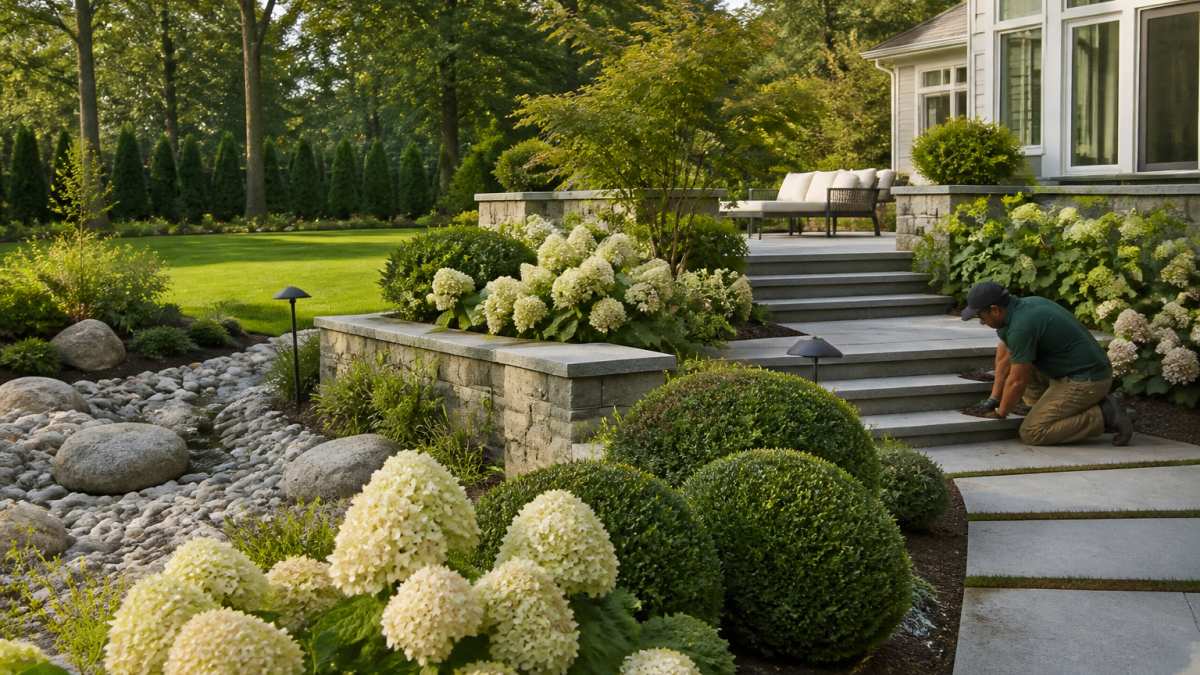
Select materials that improve with age rather than deteriorate. Natural stone, such as bluestone or granite, weathers gracefully and looks more luxurious over time. Composite materials like composite decking offer durability with less maintenance than wood.
Choose finishes that hide dirt and wear. Textured surfaces are more forgiving than polished ones. Neutral colors (grays, taupes, earth tones) feel more sophisticated and timeless than bright hues.
Invest in quality edging. Clean edges between planting beds and hardscape define the space and reduce maintenance. Metal or stone edging looks refined and prevents soil from spilling onto pathways.
Pathways, Seating, and Focal Points
Pathways guide visitors through your garden and protect plants from foot traffic. Wide pathways feel more luxurious than narrow ones. Permeable materials (gravel, permeable pavers) allow water infiltration while looking elegant.
Create comfortable seating areas with quality outdoor furniture. A well-placed bench or lounge chair invites people to pause and enjoy the space. Position seating to frame views of focal points or the landscape beyond.
Focal points anchor your low-maintenance luxury garden design. A water feature, sculpture, specimen plant, or architectural element draws the eye and creates visual interest.
Step 6: Create Luxury Outdoor Living Space Ideas
Beyond plants and hardscape, outdoor living amenities transform a garden into a true extension of your home. These elements invite entertaining and relaxation.
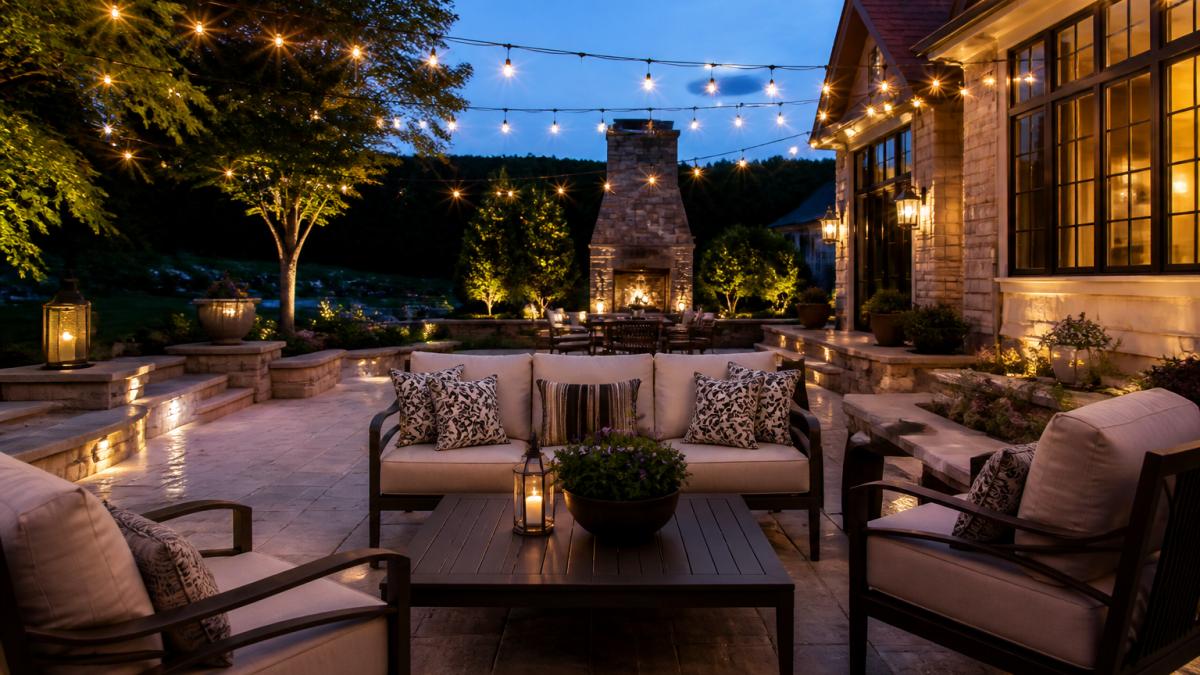
Outdoor Entertaining and Dining Areas
Define a dining zone with a table, chairs, and shade structure. A pergola or shade sail provides comfort while maintaining sight lines and garden views.
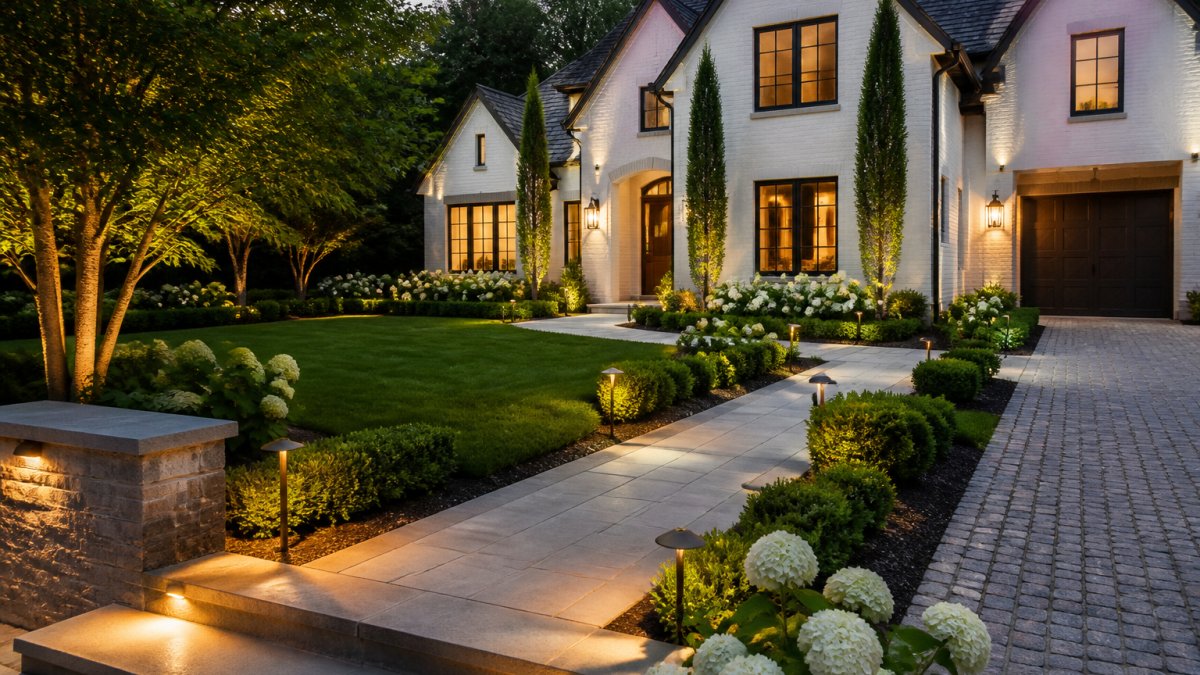
Include ambient lighting for evening entertaining. Low-voltage LED lights along pathways, uplighting on plants, and string lights overhead create atmosphere without harsh glare. Proper lighting extends the usable hours of your outdoor space.
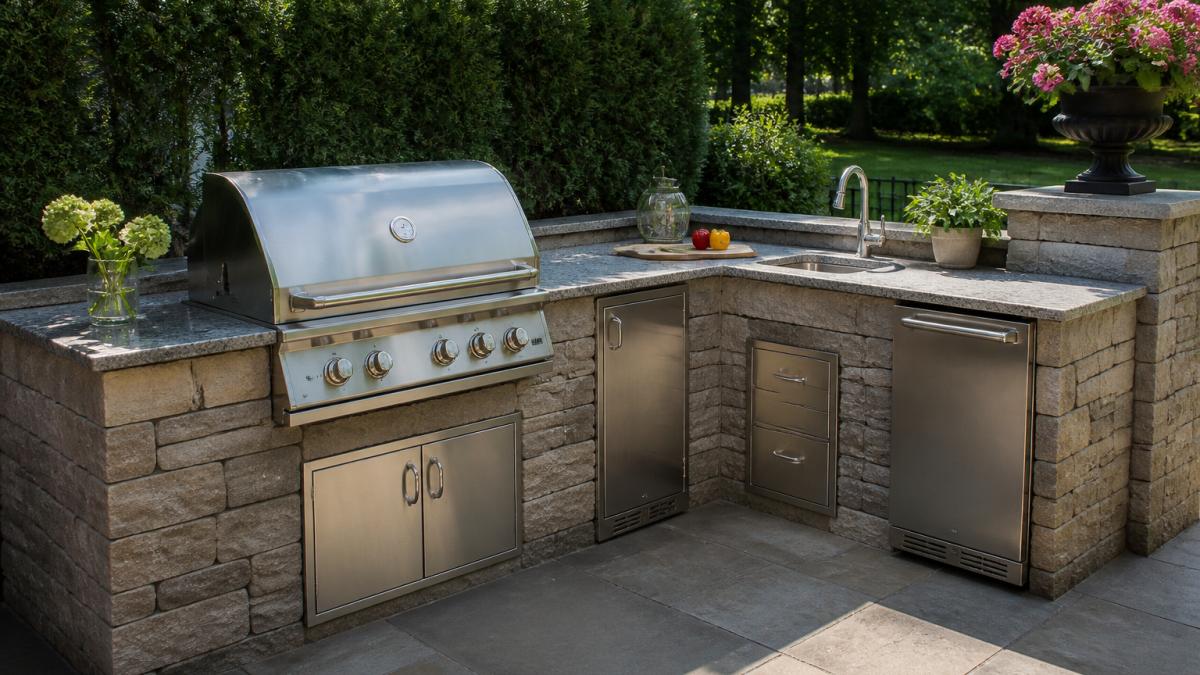
Consider a kitchen or bar area if your budget allows. A simple sink and counter, or a built-in grill, elevates entertaining. These amenities don't require constant maintenance if you choose durable, weather-resistant materials.
Lighting and Seasonal Enhancements
Lighting is transformative. Uplighting on trees creates drama. Path lighting ensures safety and guides movement. Accent lighting on focal points highlights your design intentions.
Plan for seasonal interest beyond plants. Outdoor heaters extend the season into fall and spring. Fire pits or fireplaces create gathering spots and visual interest. Consider holiday lighting and décor that complements your garden's aesthetic.
Water features add sound and movement. A fountain, stream, or small pond creates a sense of tranquility. Moving water also attracts birds and wildlife, adding life to your space.
Step 7: Plan for Year-Round Maintenance and Seasonal Care
Even a well-designed low-maintenance luxury garden needs some attention. The key is planning for realistic, manageable maintenance that keeps your garden looking polished without consuming your time.
Establishing a Realistic Maintenance Schedule
Monthly tasks might include deadheading spent flowers, checking irrigation, and pulling occasional weeds. Quarterly tasks include mulch refreshing and fertilizing.
Document your maintenance schedule. Note when plants need pruning, when irrigation should be adjusted for seasonal rainfall, and when fertilizer should be applied. This record keeps you organized and ensures nothing slips through the cracks.
Be honest about your time and skill level. If you hate pruning, choose plants that don't need it. If you prefer to delegate, budget for professional maintenance.
Seasonal Tasks and Professional Support
Spring involves cleanup, mulching, and planting annuals if you choose. Summer focuses on watering management and deadheading.
Professional support makes sense for pruning, fertilizing, pest management, and major seasonal tasks.
At Four Seasons Landscaping NY, we work with homeowners to establish maintenance plans that match their lifestyle.
Regular professional maintenance also catches problems early.
Designing a low-maintenance luxury garden requires thoughtful planning, but the payoff is a beautiful outdoor space you can actually enjoy.
Four Seasons Landscaping NY has helped luxury homeowners throughout the region transform their properties into stunning outdoor sanctuaries.
Frequently Asked Questions
How do you design a low-maintenance luxury garden?
Design a low-maintenance luxury garden by starting with a clear vision and thorough site assessment. Plan zones for different functions, select native or drought-tolerant plants suited to your region, install a smart irrigation system, choose durable hardscape materials like stone or composite decking, and incorporate lighting and focal points that enhance the space's elegance. Focus on quality over quantity, and work with a professional designer who understands both luxury aesthetics and practical maintenance reduction.
What low-maintenance garden plants work best for luxury landscapes?
Luxury gardens thrive with structured plants like ornamental grasses, boxwoods, and evergreen shrubs that provide year-round form. Include native perennials adapted to your climate, such as coneflowers or black-eyed Susans, which require minimal watering once established. Combine these with specimen trees and accent plantings of lavender or ornamental alliums for visual interest. The key is selecting plants that look refined while needing minimal pruning, fertilizing, or pest management.
How does garden irrigation system design reduce maintenance?
A well-designed garden irrigation system delivers water directly to plant roots through drip lines or soaker hoses, eliminating hand-watering and reducing water waste. Smart controllers adjust watering based on rainfall and temperature, preventing overwatering. Proper soil preparation with mulch and compost improves water retention, so plants need less frequent irrigation. This combination keeps your garden healthy and lush while cutting maintenance time and water usage significantly.
What hardscape materials work best in a luxury low-maintenance garden?
Premium hardscape materials like natural stone, composite decking, and high-quality pavers create a luxury feel while minimizing upkeep. Stone pathways and patios develop attractive patina over time without requiring refinishing. Composite materials resist rot and fading better than wood. Raised beds with metal or composite borders reduce weeding. Choose materials that complement your home's architecture and require only occasional cleaning rather than regular staining or sealing.