 ultimate-guide
How Do You Integrate Masonry Into Luxury Landscape Architecture?
Last Updated: October 24, 2026
Quick Summary
To integrate masonry luxury landscape, select materials that reflect your regional architectural character and site conditions, then position stone, brick, and pavers strategically to define spaces, guide movement, and create visual rhythm. This approach transforms masonry from utilitarian infrastructure into a design language that elevates your entire outdoor environment.
- Material choice determines both aesthetic outcome and longevity, with options including bluestone, granite, limestone, slate, and manufactured stone.
- Luxury patios should extend 12 to 16 feet from the home's edge and include proper grading for drainage to prevent water pooling and deterioration.
- Retaining walls require perforated drainage pipe and gravel backfill to prevent hydrostatic pressure from compromising structural integrity.
- Pathways should be 4 to 5 feet wide for primary circulation routes to accommodate two people walking side-by-side comfortably.
- Seal natural stone appropriately and inspect mortar joints annually to maintain masonry durability and prevent costly repairs.
Table of Contents
- Understanding Masonry's Role in Luxury Landscape Architecture
- Material Selection for High-End Masonry Applications
- Natural Stone Patio Design Ideas for Luxury Homes
- Designing Walkways, Walls, and Vertical Features
- Luxury Outdoor Kitchen Masonry and Integrated Features
- Best Practices for Outdoor Masonry Maintenance
- Blending Masonry With Regional Architecture and Site Character
- Texture, Color, and Visual Balance in Masonry Design
- Frequently Asked Questions
Understanding Masonry's Role in Luxury Landscape Architecture
Masonry forms the backbone of sophisticated outdoor spaces. When you integrate masonry luxury landscape design thoughtfully, it transforms a property from pleasant to exceptional. The difference lies not in the materials alone, but in how they're positioned within the broader design vision.
At Four Seasons Landscaping NY, we've spent over 20 years watching which masonry choices elevate a property and which ones feel disconnected from their surroundings. The best luxury landscapes treat masonry as a design language, one that speaks to the home's architectural character, the site's natural topography, and the homeowner's lifestyle. Stone walls don't just retain soil; they define movement through the property. Pavers don't just create surfaces; they establish rhythm and flow. Patios become outdoor rooms.
The strategic integration of masonry into luxury landscape architecture requires understanding how materials, scale, and placement work together. A single poorly chosen stone can undermine an entire design. Conversely, the right masonry choices, selected with attention to regional context, material durability, and visual hierarchy, can anchor a luxury outdoor space for decades.
Material Selection for High-End Masonry Applications
Material choice determines both the aesthetic outcome and the practical longevity of your masonry features. In luxury landscape design, selecting materials means balancing visual appeal, regional appropriateness, maintenance requirements, and structural performance.
Natural Stone and Manufactured Options
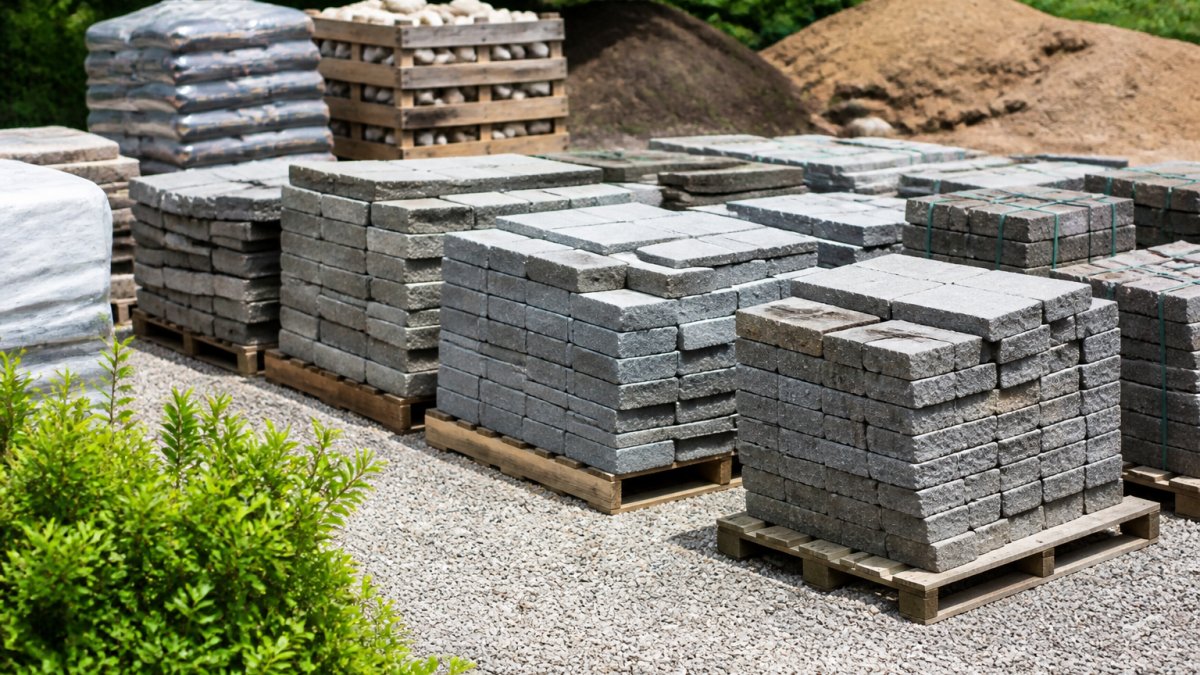
Natural stone carries undeniable prestige. Bluestone, granite, limestone, and slate each bring distinct character. Bluestone offers cool, refined tones and splits naturally into clean-edged pavers.
Manufactured stone and engineered pavers offer advantages that appeal to luxury homeowners. They provide consistent sizing, predictable color, and engineered durability.
Brick remains a classic choice, particularly in designs that echo regional architectural traditions. Handmade bricks carry character; precision-cut bricks create clean, contemporary lines.
Consider the material's origin and how it relates to your property's setting. Locally sourced stone often harmonizes better with the landscape character than materials transported from distant regions.
Natural stone and manufactured materials each bring distinct advantages to luxury masonry projects.
| Material | Best For | Key Characteristics |
|---|---|---|
| Bluestone | Refined patios | Cool tones, naturally splits into clean-edged pavers |
| Granite | High-durability applications | Subtle color variation, excellent longevity |
| Limestone | Contemporary designs | Warm tones, works well in modern settings |
| Slate | Visual drama | Layered texture, pronounced visual impact |
| Manufactured stone | Freeze-thaw climates | Consistent sizing, engineered durability |
| Handmade brick | Regional traditions | Character and authenticity |
| Precision-cut brick | Contemporary designs | Clean lines and modern aesthetics |
Natural Stone Patio Design Ideas for Luxury Homes
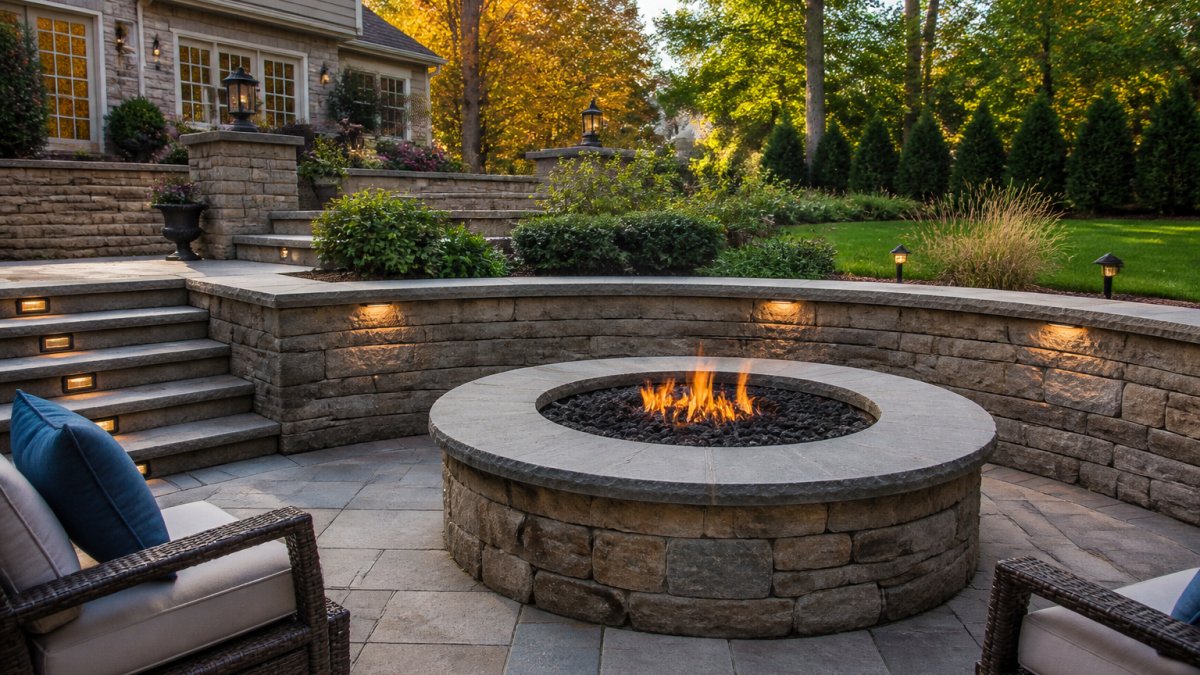
A luxury patio anchors the outdoor living experience. The most successful patios function as outdoor rooms, with the same design intentionality applied to interior spaces.
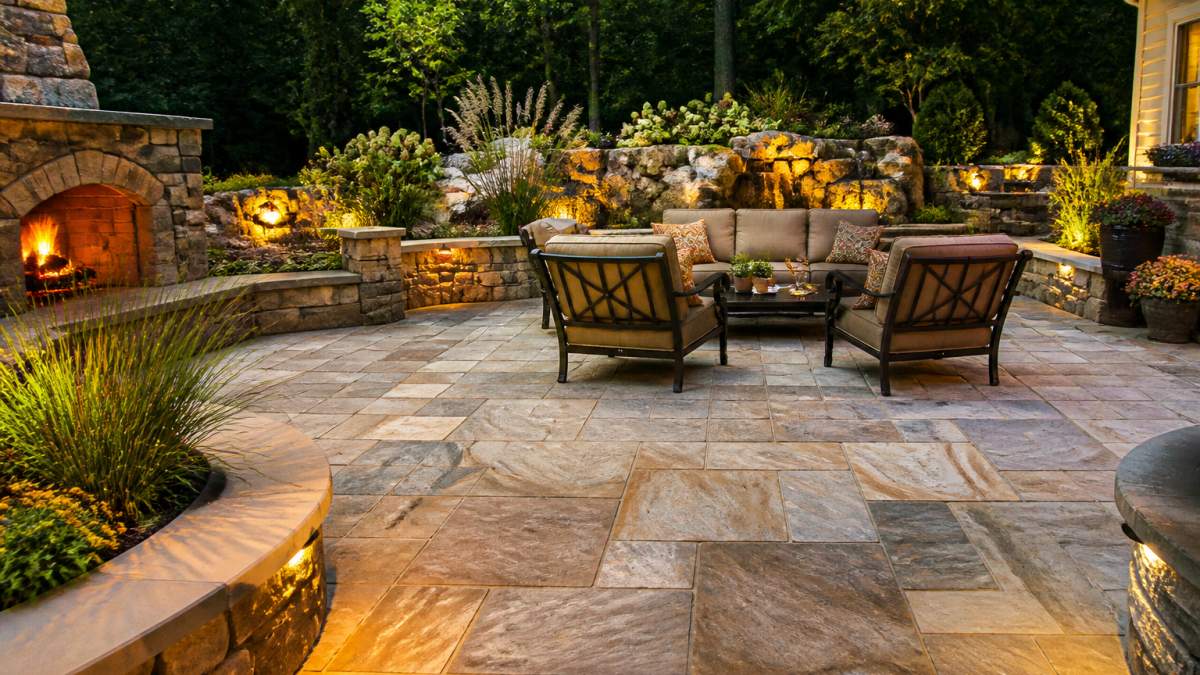
Start with scale and proportion. Learn how to plan custom masonry patios that maximize both beauty and functionality for your outdoor living space.
Material selection sets the tone. Uniform large-format pavers create clean, contemporary patios. Mixed-size stone in varied patterns (running bond, herringbone, ashlar) introduce visual richness and traditional elegance.
Consider subsurface drainage and slope. A patio that holds water after rain fails functionally and deteriorates rapidly. Proper grading (typically 1-2% slope) directs water away from structures.
Lighting transforms patios from daytime features into evening destinations.
Designing Walkways, Walls, and Vertical Features
Circulation through a luxury landscape should feel intentional and unhurried. Walkways, walls, and vertical masonry features guide movement while creating visual interest and defining spaces.
Garden Paths and Circulation
Pathways establish the rhythm of how people experience a property.
Path width matters. Secondary paths can be 3 to 4 feet wide; primary circulation routes should accommodate two people walking side-by-side comfortably (4 to 5 feet).
Edging defines paths visually and functionally. Metal, stone, or concrete edging contains materials and prevents planting beds from encroaching. The edging material should complement the path material without competing for visual attention.
Consider how paths relate to the larger landscape. A path that cuts through open lawn feels exposed; the same path bordered by low plantings or subtle lighting feels purposeful and designed.
Retaining Walls and Elevation Changes
Retaining walls serve dual purposes: they manage grade changes and create planting opportunities. A well-designed wall becomes a landscape feature, not just infrastructure.
The material choice for retaining walls should reflect the landscape's overall character. Stacked stone walls (often limestone or slate) feel organic and regional. Cut stone walls project formality.
Planting integrated into and around retaining walls softens their visual impact.
Proper drainage behind retaining walls is non-negotiable. Without it, hydrostatic pressure builds, compromising structural integrity. This requires perforated drainage pipe, gravel backfill, and often a French drain system.
Luxury Outdoor Kitchen Masonry and Integrated Features
Outdoor kitchens represent the pinnacle of luxury landscape integration.
The foundation of an outdoor kitchen is typically built from stone or stacked masonry.
Material selection extends beyond the visible surfaces. Countertops (typically granite or engineered stone for durability), backsplashes, and edging all contribute to the kitchen's functionality and visual impact.
Consider the kitchen's relationship to the larger patio and landscape. A kitchen island positioned to face the home's interior living spaces creates connection.
Water and gas lines require planning during the design phase. Poorly integrated utilities create visual clutter and compromise functionality. The best outdoor kitchens hide infrastructure while maintaining easy access for maintenance.
Best Practices for Outdoor Masonry Maintenance
Masonry durability depends on proper installation and consistent maintenance. The most beautiful patio deteriorates quickly without attention.
Seal natural stone appropriately. Porous stones like limestone benefit from penetrating seals that protect against staining while allowing the stone to breathe.
Address drainage issues immediately. Water pooling on pavers or seeping behind walls signals problems that worsen over time.
Clean masonry regularly to prevent algae, moss, or lichen growth.
Inspect mortar joints annually. Deteriorating mortar compromises the structural integrity of walls and allows water infiltration.
Seasonal considerations matter. In freeze-thaw climates, ensuring proper drainage prevents ice formation that can crack pavers and walls.
Blending Masonry With Regional Architecture and Site Character
The most integrated luxury landscapes reflect their regional context. A masonry design that ignores the surrounding architecture and natural landscape feels imported and disconnected.
Study the architectural vernacular of your region. What materials were traditionally used? How were they detailed?
Site topography should inform masonry placement. A property with significant grade changes offers opportunities for terracing with retaining walls.
Native plantings around masonry features create visual integration. Stone walls edged with regional plant communities feel grounded. Patios surrounded by non-native ornamentals feel disconnected.
Consider the landscape's broader character. A woodland property benefits from irregular stone patterns and naturalistic planting. A property overlooking open views calls for clean lines and uncluttered sightlines.
Texture, Color, and Visual Balance in Masonry Design
The visual impact of masonry extends beyond material selection to texture, color, and how these elements balance within the larger landscape composition.
Texture creates visual richness and affects how light plays across surfaces. Smooth, polished stone reflects light evenly and reads as contemporary.
Color harmony requires understanding how masonry colors interact with surrounding plantings, the home's exterior, and the landscape's natural palette. Cool-toned stone (blues, grays) creates sophisticated, contemporary effects.
Visual balance in masonry design means considering how materials are distributed across the property.
Scale and proportion affect how masonry feels within the landscape. Large-format pavers make spaces feel expansive; smaller units create intimacy.
Four Seasons Landscaping NY approaches every masonry integration as an opportunity to enhance the property's character and functionality. The goal is masonry that feels inevitable, like it couldn't have been designed any other way because it responds so perfectly to the site, the home, and the homeowner's vision.
The difference between outdoor spaces that merely exist and those that truly elevate a property comes down to thoughtful masonry integration. When stone, brick, and pavers are selected with attention to regional character, site conditions, and design intent, they create landscapes that feel both timeless and uniquely suited to their setting. Build Outdoor Living That Lasts with masonry features designed and installed to enhance your property's beauty and function for decades. Our team handles everything from initial design through final installation and maintenance, ensuring your outdoor space reflects the quality of your home. Get In Touch to discuss how integrated masonry can transform your property into a true outdoor sanctuary.
Frequently Asked Questions
What are the benefits of using natural stone in luxury landscape design?
Natural stone brings authentic character, durability, and timeless appeal to luxury outdoor spaces. Each stone's unique texture and color variations create visual depth that manufactured materials cannot replicate. Natural stone also weathers gracefully over time, developing patina that enhances rather than detracts from its appearance. The craftsmanship required to integrate masonry into luxury landscape architecture using natural stone demonstrates quality and investment in your property's long-term value and aesthetic integrity.
How do you blend masonry features with existing garden architecture?
Successful integration starts with understanding your property's existing architectural style, site conditions, and landscape character. Survey the colors, materials, and proportions already present. Choose masonry materials that complement rather than compete with these elements. Consider how new walkways, walls, or patios will connect to existing structures and flow through your outdoor space. Professional site-sensitive design ensures that every masonry element feels purposeful and cohesive rather than added as an afterthought.
What types of masonry are best for high-end outdoor living spaces?
Natural stone, including flagstone, limestone, granite, and bluestone, offers superior durability and aesthetic appeal for luxury applications. Manufactured stone veneer can extend design possibilities while reducing costs. Brick pavers and stone pavers provide versatility for walkways and patios. The best choice depends on your climate, site conditions, maintenance preferences, and the specific function of each feature. Professional landscape architects evaluate drainage, freeze-thaw performance, and long-term durability alongside visual impact when recommending masonry types for luxury outdoor kitchen masonry, retaining walls, and other high-use areas.
How does professional masonry increase property value?
Custom masonry demonstrates craftsmanship and intentional design that appeals to discerning buyers. Quality hardscape features, including stone patios, retaining walls, and garden paths, are among the most recoverable outdoor investments. Professional installation ensures proper engineering, drainage, and longevity, preventing costly repairs that reduce property appeal. Masonry integrated thoughtfully into your landscape architecture creates functional outdoor living space that extends usable square footage and enhances curb appeal, both factors that influence perceived and actual property value.
What is the role of texture and scale in luxury landscape masonry?
Texture and scale create visual interest and guide how people experience your outdoor space. Varying stone sizes, finishes, and colors prevent monotony and add sophistication. Scale refers to the proportion of masonry elements relative to your home, garden, and the human body, oversized pavers in a small patio or tiny stones in an expansive courtyard both feel jarring. Luxury landscape design balances texture and scale to create harmony, ensuring that masonry features feel intentional and refined rather than random or overwhelming.
How should I plan a comprehensive masonry project for my property?
Begin with a clear vision of how you use your outdoor space and what you want to achieve. Work with a professional landscape architect to assess site conditions, drainage, and how masonry features will integrate with existing architecture and planting. Develop a phased approach if the project is large, prioritizing high-impact areas first. Request transparent quotes and detailed timelines. Consider year-round maintenance needs and seasonal services, such as holiday lighting and décor, that can enhance your masonry features throughout the year.
What maintenance does luxury outdoor masonry actually require?
Best practices for outdoor masonry maintenance include regular cleaning to prevent algae and staining, sealing natural stone every 1-3 years depending on traffic and climate, and inspecting mortar joints for deterioration. Proper drainage around patios and walls prevents water damage and frost heave. Snow and ice management in winter requires care to avoid salt damage to certain stone types. Professional maintenance schedules protect your investment and keep masonry features looking beautiful for decades, ensuring that your landscape architecture remains a source of pride rather than concern.