 how-to
Choose Drought-Tolerant Plants for Westchester Gardens
Table of Contents
- Understanding Your Garden's Conditions Before Choosing Drought-Tolerant Plants
- Drought-Tolerant Plants for Full Sun Exposure
- Drought-Tolerant Plants for Shade and Partial Shade
- Native Plants and Regional Selections for Westchester
- Watering Newly Planted Shrubs and Establishing Drought-Tolerant Plants
- Plant Selection by Garden Size, Borders, and Containers
- Common Mistakes to Avoid When Establishing a Drought-Tolerant Garden
- Frequently Asked Questions
Last Updated: October 6, 2026
Understanding Your Garden's Conditions Before Choosing Drought-Tolerant Plants
Choosing the right drought-tolerant plants starts with understanding your garden. You need to know your sun exposure, soil type, and drainage patterns. These three factors determine which plants will thrive and which will struggle.
At Four Seasons Landscaping NY, we've helped hundreds of Westchester homeowners select drought-tolerant plants that match their site conditions. The most common mistake is picking beautiful plants without checking whether the garden can support them: a sun-lover fails in shade, and a sand-lover rots in clay.
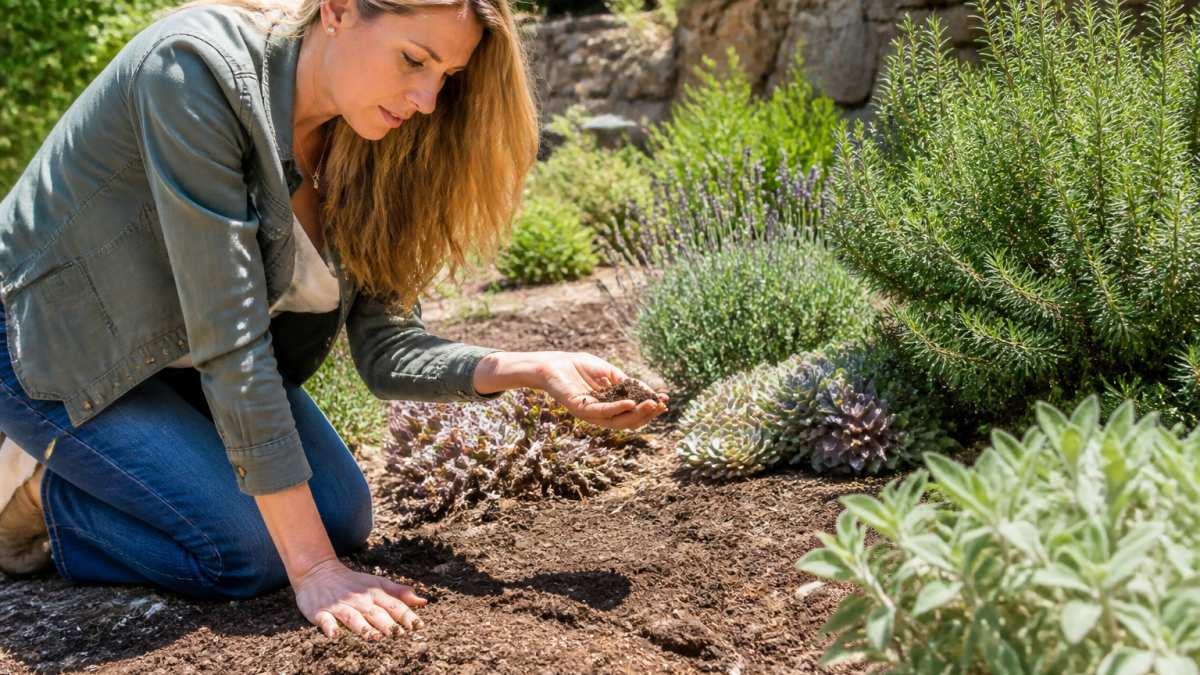
Assessing sun exposure and shade patterns
Full sun means at least 6 hours of direct sunlight daily. Partial shade is 3-6 hours. Full shade is less than 3 hours. Most drought-tolerant plants prefer full sun, but many excellent options thrive in partial shade.
Walk your garden at different times of day and note which beds get morning sun versus afternoon heat. Afternoon sun is more intense, so a plant that handles 6 hours of morning light might burn in 6 hours of afternoon heat.
Structures and trees matter too: a south-facing wall reflects heat and creates a hotter microclimate, while a tree canopy filters light and keeps soil cooler.
Testing soil drainage for drought-tolerant plants
Drainage is critical for drought-tolerant plants. Most of these plants evolved in dry climates with excellent drainage. Soggy soil kills them faster than drought does.
Test your soil drainage with a simple method:
- Dig a hole 12 inches deep and 6 inches wide
- Fill it with water
- Check how fast it drains after 24 hours
- Fast drainage (empties in hours) = excellent for drought plants
- Slow drainage (water remains after 24 hours) = poor for drought plants
If your soil drains poorly, amend it with sand and compost, build a raised bed, or choose plants that tolerate wetter conditions. Don't force drought-tolerant plants into waterlogged soil.
Feel your soil texture. Sandy soil drains quickly but holds little water. Clay soil holds water but drains slowly. Loam (a mix of sand, silt, and clay) is ideal. Most gardens have clay-heavy soil, which is why drainage amendments matter so much.
Drought-Tolerant Plants for Full Sun Exposure
Full sun areas are ideal for the widest range of drought-tolerant plants. These plants have adapted to intense, direct light and handle heat stress well.
Perennials that thrive in full sun
Lavender is one of the best full-sun choices. It blooms for months, smells wonderful, and attracts pollinators.
Black-eyed Susan produces yellow flowers with dark centers from summer through fall and reseeds readily. It handles poor soil, heat, and drought with ease; cut it back in early spring for fuller growth.
Coneflower (Echinacea) is a native perennial that thrives in Westchester. Purple, pink, or white flowers attract butterflies and goldfinches, and it looks good even after frost.
Yarrow produces flat clusters of red, pink, yellow, or white flowers and tolerates poor soil and extreme drought once established. It spreads readily, so give it space and divide every few years.
Catmint is underrated: lavender-blue flowers bloom for weeks and attract bees and butterflies. Cut it back after the first bloom flush to encourage a second.
Sedum varieties offer year-round interest. These succulent perennials store water in their leaves, need excellent drainage and full sun, and many turn beautiful colors in fall.
Ornamental grasses and shrubs for sunny locations
Little bluestem is a native grass that turns copper-red in fall, grows 2-3 feet tall, and creates movement in the garden. Once established it needs no supplemental water; cut it back in early spring.
Prairie dropseed is a fine-textured native grass that grows in tight mounds with delicate seed heads and cilantro-scented foliage. It's extremely drought-tolerant and attractive year-round.
Rosemary is beautiful and useful: spiky flowers attract pollinators and the leaves flavor cooking. Plant it in well-drained soil and full sun; in Westchester, treat tender varieties as annuals or bring them indoors for winter.
Russian sage produces airy spikes of lavender-blue flowers on aromatic, 3-4 foot plants. Once established it needs minimal water; cut it back hard in spring for bushier growth.
Drought-Tolerant Plants for Shade and Partial Shade
Not every garden has full sun. Shade gardens present different challenges but offer excellent options for drought-tolerant plants.
Hellebore blooms in late winter and early spring when little else flowers, tolerating dry shade under trees.
Coral bells (Heuchera) offer colorful foliage in burgundy, purple, or chartreuse, often with attractive leaf patterns. They grow well in partial shade and well-drained soil; divide every few years to maintain vigor.
Epimedium is a groundcover that thrives in dry shade, with delicate spring flowers and foliage that turns bronze or red in fall.
Lamium (deadnettle) is an aggressive groundcover for problem areas, with attractive silvery or variegated foliage and small spring-to-summer flowers. Use it where you need reliable coverage and aren't concerned about containment.
Bergenia produces large, bold leaves that turn bronze in cold weather, plus pink or red spring flowers. It tolerates dry shade and poor soil and makes a strong structural plant.
Native Plants and Regional Selections for Westchester
Native plants are naturally adapted to Westchester's climate, soil, and rainfall patterns. They establish faster and need less maintenance than non-native plants.
Wild bergamot is a native perennial with purple flowers. Bees and butterflies love it. It tolerates dry conditions and spreads to fill space.
Butterfly weed is a native wildflower with brilliant orange flowers. It attracts monarchs and other butterflies. Plant it in full sun and well-drained soil. Once established, it needs no supplemental water.
New York ironweed is a native perennial with purple flowers, growing 3-5 feet tall and blooming late in the season.
Switchgrass is a native grass that turns burgundy in fall, grows 4-6 feet tall, and creates dramatic movement. It's extremely drought-tolerant, supports wildlife, and should be cut back in early spring.
Native plants support local wildlife: birds, bees, and butterflies depend on them for food and shelter. Choosing native drought-tolerant plants creates habitat while reducing maintenance.
Watering Newly Planted Shrubs and Establishing Drought-Tolerant Plants
Newly planted drought-tolerant plants need consistent moisture during their first growing season. This helps them establish deep root systems. Once established, they'll need minimal water.
First-season watering schedule and techniques
Water deeply but less frequently: shallow, frequent watering encourages shallow roots, while deep watering pushes roots downward where soil stays moister longer.
For newly planted perennials and shrubs:
- Water deeply 2-3 times per week during the first month
- Reduce to 1-2 times per week during months 2-4
- Taper to occasional watering by month 5-6 if rainfall is adequate
- By the second year, most plants need water only during extended dry spells
Use drip irrigation or soaker hoses when possible. These deliver water directly to soil, reducing evaporation. Water early in the morning to minimize disease risk. Avoid wetting foliage.
Check soil moisture before watering. Stick your finger 2 inches into the soil. If it feels dry, water. If it feels moist, wait. This simple test prevents overwatering.
Mulch and soil preparation for water retention
Mulch is your most important tool for water retention. A 2-3 inch layer of mulch keeps soil cooler, reduces evaporation, and moderates temperature swings.
Use organic mulches like shredded bark or wood chips. These break down over time, improving soil structure. Avoid mulching right against plant stems. Leave a small gap to prevent rot and pest problems.
Before planting, amend soil with compost. Mix 2-4 inches of compost into the top 8-10 inches of existing soil. This improves water retention in sandy soil and drainage in clay soil. Compost also adds nutrients and beneficial microorganisms.
Building garden beds slightly higher than surrounding grade improves drainage and helps water penetrate where you want it. This improves drainage and helps water penetrate where you want it. Raised beds also reduce competition from tree roots.
Plant Selection by Garden Size, Borders, and Containers
Different garden spaces need different approaches to drought-tolerant plant selection.
Scaling plants to your landscape and garden beds
Consider mature size when selecting plants. A shrub that grows 8 feet tall shouldn't go in a 4-foot-wide border. Undersized plants look sparse initially, but they'll fill properly as they mature.
For small borders (under 3 feet wide):
- Use perennials that mature 1-2 feet tall
- Space them 12-18 inches apart
- Include low grasses and sedums for texture
- Avoid shrubs that will outgrow the space
For medium borders (3-6 feet wide):
- Combine perennials 2-3 feet tall with shorter edging plants
- Add one or two small shrubs for structure
- Space plants to allow 50% of soil to show at maturity
- Create layers: tall plants in back, medium in middle, short in front
For large beds (over 6 feet wide):
- Use multiple layers of height
- Include larger shrubs (3-5 feet) as focal points
- Add mid-sized perennials (2-3 feet) for fill
- Use shorter plants (under 2 feet) as edging
- Space plants generously to show their mature form
Container gardening with drought-tolerant varieties
Containers dry out faster than in-ground gardens. Choose plants that tolerate some drying between waterings.
Sedums are excellent for containers. Their succulent leaves store water. They need excellent drainage holes and well-draining soil mix. Most varieties are cold-hardy and can stay outside year-round.
Sempervivum (hens and chicks) creates attractive rosettes. These plants are extremely drought-tolerant and cold-hardy. Combine multiple varieties in one container for interesting color and texture.
Lavender grows well in containers. Use a gritty, well-draining potting mix. Place containers in full sun. Water thoroughly when soil is dry to the touch.
Russian sage can be grown in large containers. It needs full sun and well-draining soil. Prune it back in spring to maintain shape.
Use containers with drainage holes. Fill them with quality potting soil, not garden soil. Garden soil compacts in containers and drains poorly. Water containers more frequently than in-ground plants, especially during hot weather.
Common Mistakes to Avoid When Establishing a Drought-Tolerant Garden
Knowing what not to do is as important as knowing what to do. Here are the mistakes we see most often.
Overwatering newly planted material. This is the biggest killer of drought-tolerant plants. These plants evolved in dry conditions.
Planting in poorly draining soil without amendment. Drought-tolerant plants fail in soggy soil.
Choosing plants without considering mature size. A plant that looks small in a nursery pot will grow much larger.
Ignoring sun exposure requirements. A shade plant in full sun will struggle.
Mulching incorrectly. Mulch piled against plant stems causes rot and pest problems. Mulch that's too thick prevents water penetration.
Expecting instant results. Drought-tolerant plants need one full growing season to establish. Don't judge their success in year one.
Planting at the wrong time. Fall is the best time to plant in Westchester. Spring is acceptable.
Choosing drought-tolerant plants for your Westchester garden doesn't have to be complicated.
Four Seasons Landscaping NY has been helping Westchester homeowners create beautiful, low-maintenance gardens for over 20 years. We design drought-tolerant landscapes that reduce water use while increasing curb appeal and property value.
Frequently Asked Questions
How do I know if my garden soil drains well for drought-tolerant plants?
Perform a simple drainage test by digging a hole 12 inches deep and filling it with water. If water drains within a few hours, your soil drains well. Drought-tolerant plants require well-drained soil to prevent root rot. If water sits for more than 12 hours, amend your soil with compost or sand to improve drainage before planting.
What's the best watering schedule for newly planted shrubs in their first season?
Water newly planted shrubs deeply 2-3 times per week during their first growing season, providing about 1 inch of water per week. Check soil moisture 2-3 inches below the surface; water when it feels dry. By year two, most drought-tolerant plants need watering only during extended dry spells or hot weather.
Which native plants are best for drought-tolerant gardens in this region?
Native perennials like black-eyed Susan, coneflower, wild bergamot, and butterfly weed are excellent drought-tolerant choices that support local wildlife. These plants are adapted to the local climate and soil conditions, requiring less maintenance and water than non-native alternatives.
Can I grow drought-tolerant plants in shaded areas of my garden?
Yes, many drought-tolerant plants thrive in partial shade. Shade reduces water loss through evaporation, so shaded drought-tolerant plants often need less frequent watering than full-sun varieties. Choose shade-tolerant selections when planning beds under trees or along north-facing borders.