 ultimate-guide
Professional Landscape Design White Plains NY | 2026 Guide
Table of Contents
- Why Professional Landscape Design White Plains Homeowners Trust Starts with a Plan
- Luxury Outdoor Living Space Ideas That Define Westchester Properties
- Custom Masonry and Patio Design: The Backbone of a High-End Landscape
- Landscape Design Cost Factors to Understand Before You Commit
- The Full-Service Advantage: From Design to Year-Round Care
- Budgeting and ROI: What Your Landscape Investment Returns
- Sustainable and Native Planting: Designing for the Local Climate
- Conclusion: Start Your White Plains Landscape Design Project Today
- Frequently Asked Questions
Last Updated: September 5, 2026
Professional landscape design White Plains homeowners trust begins long before a single shovel breaks ground. It starts with a thoughtful site analysis, a clear vision, and a detailed plan that maps every terrace, planting bed, and walkway to your property's unique contours. At Four Seasons Landscaping NY, we've spent over 20 years guiding Westchester homeowners through this process, and the most successful projects always share one thing in common: a comprehensive plan.
The difference between a good yard and a stunning outdoor sanctuary is rarely the budget; it is the discipline of the design phase. Rushing this step leads to disjointed spaces, drainage headaches, and costly change orders later. This guide walks through what professional landscape design in White Plains actually involves.
Why Professional Landscape Design White Plains Homeowners Trust Starts with a Plan
A professional landscape design is the blueprint for transforming your property into a cohesive, functional, and beautiful outdoor living space. It evaluates your land's conditions, architectural style, and lifestyle needs, then translates them into a detailed plan for hardscaping, planting, and lighting. Without this critical first step, even the most expensive materials can result in a space that feels disconnected from your home.
A thorough site analysis examines sun exposure, soil health, existing drainage patterns, and mature trees. This information drives every decision, from choosing native species that will thrive to locating a patio where it captures the afternoon light.
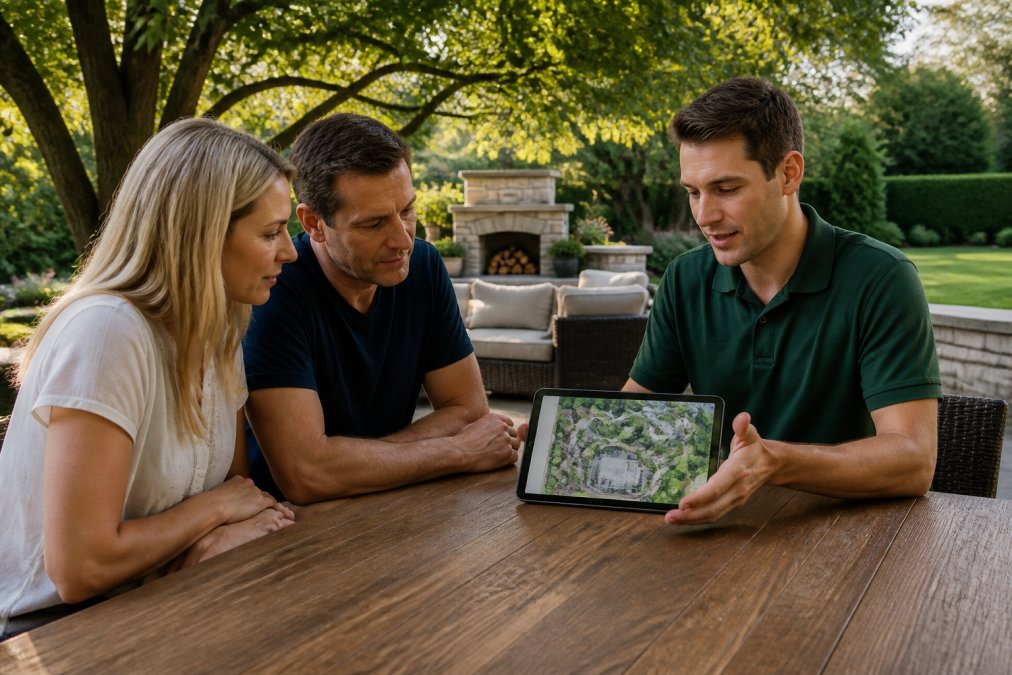
The plan itself should be a detailed construction document, not just a pretty picture. It specifies hardscape dimensions, paver patterns, plant species and sizes, grading and excavation requirements, and the layout of any irrigation systems. This level of detail allows for transparent quotes with no hidden fees.
Luxury Outdoor Living Space Ideas That Define Westchester Properties
Luxury outdoor living space ideas for Westchester properties go far beyond a simple patio and grill. The most sought-after designs create distinct "rooms" that extend the square footage of the home. Think of a covered outdoor kitchen with a built-in fireplace as the anchor, flanked by a dining terrace and a separate lounge area with a fire feature for cooler evenings.
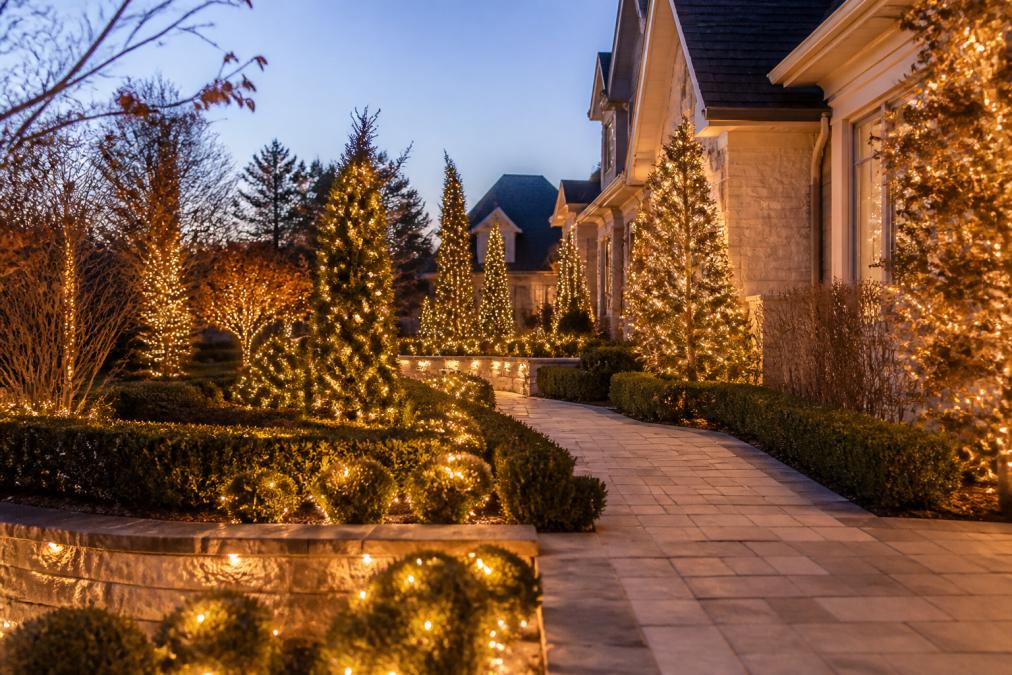
These spaces are defined by their flow and materiality. A seamless transition from indoor floors to an outdoor paver surface makes the home feel larger. For sloping lots, retaining walls become an opportunity for tiered gardens and dramatic staircases. Landscape lighting extends the space's usability well past sunset.
The goal is to create a space that feels like a natural extension of the home's architecture, not a generic backyard. This requires a designer who understands proportion, sightlines, and how the space will be used in every season.
Custom Masonry and Patio Design: The Backbone of a High-End Landscape
Custom masonry and patio design is the structural foundation that carries the entire aesthetic of a luxury landscape. From natural stone versus concrete pavers to the craftsmanship of a stone veneer outdoor fireplace, every detail contributes to the project's long-term value and durability.
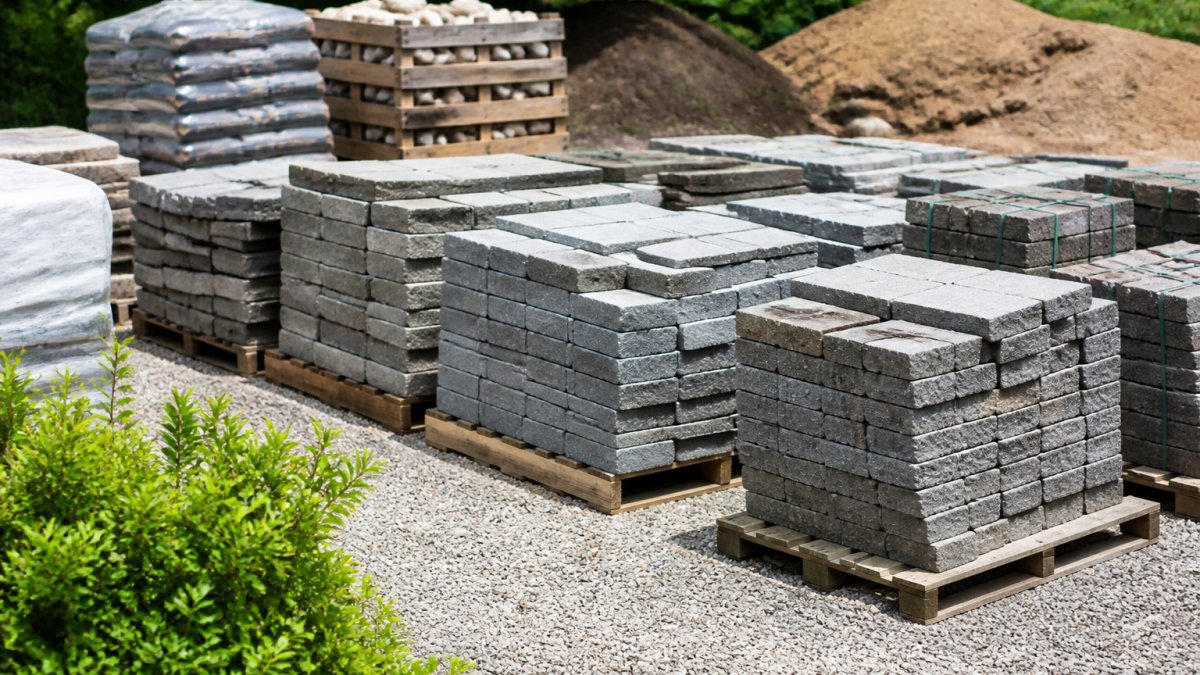
Paver installation is a precise craft. A proper base of compacted stone and sand is critical to prevent settling and cracking over time (icpi.org). The best patio designs incorporate a raised wall for seating, a pergola for shade, or a water feature to mask street noise.
When done correctly, the masonry anchors the softscaping. Planting beds soften the hard lines of a patio, and the contrast creates visual interest. This integration is where a full-service provider is essential.
Landscape Design Cost Factors to Understand Before You Commit
Most homeowners searching for professional landscape design in White Plains are looking for a realistic budget, yet top search results rarely break down what a project actually costs. This section fills that gap with a practical framework based on common project scopes in Westchester.
The Three Cost Tiers of a Landscape Project
A typical residential project falls into one of three broad investment tiers. These are planning benchmarks, not quotes.
- The Refresh (Planting & Softscape Focus): This tier focuses on garden beds, new trees, shrubs, and perennials, often with refreshed mulch and edging. It is the most accessible entry point and typically involves minimal structural changes.
- The Enhancement (Hardscape + Planting): This is the most common scope for a full design-build project. It includes a new bluestone or paver patio, a walkway, a retaining wall, and a comprehensive planting plan. This is where the design phase becomes critical to coordinate grading and drainage.
- The Transformation (Full Property Overhaul): This tier involves significant grading, extensive masonry (outdoor kitchens, fireplaces, pool surrounds), and complex drainage solutions. These projects often require multiple phases and a longer timeline.
The Real Cost Drivers in White Plains
Beyond the size of the project, several factors unique to our region will drive your final number. Understanding these upfront prevents sticker shock later.
1. Site Access and Logistics White Plains properties often feature narrow driveways, tight side yards, and mature tree canopies. If a standard excavator cannot reach the backyard, materials must be moved by hand or with smaller equipment, a labor-intensive process that is a significant cost variable.
2. Existing Conditions and Demolition An old, cracked concrete patio that needs removal and haul-away, or roots from a mature oak that need to be worked around, can complicate the job. The cost of demolition, disposal, and correcting poor previous drainage is often the difference between a straightforward quote and a complex one.
3. Material Selection: The Price of Permanence The choice between poured concrete, concrete pavers, and natural stone (like bluestone or fieldstone) has a dramatic impact on the budget. Natural stone is a premium material with a higher upfront cost, but it offers a timeless aesthetic and durability. Pavers offer a broader range of styles and are often easier to repair individually.
How to Get an Accurate Estimate
The only way to get a reliable number is through a detailed site consultation. A designer needs to see the grade, the soil, and the access points to provide a meaningful estimate. During this walkthrough, ask to see material samples and discuss the line items in your proposal.
:::warning A Word on Permits Hardscaping projects in White Plains often require a permit from the Building Department, especially when they involve changes to grading, retaining walls over a certain height, or work near property lines. A reputable design-build firm will handle the permit application as part of their service. If a contractor suggests you can skip the permit, consider that a red flag. Unpermitted work can become a major issue when you sell your home. :::
A Phased Approach to Protect Your Budget
If the full scope is not feasible in one season, a professional design plan allows you to phase the work, installing the patio and walkway this year, and adding the outdoor kitchen and planting plan next year. The key is that the initial design accounts for future phases, preventing costly rework and ensuring a cohesive final result.
The Full-Service Advantage: From Design to Year-Round Care
The full-service advantage lies in having a single accountable team responsible for the entire lifecycle of your landscape, from initial design concept to ongoing maintenance. This model eliminates coordination failures between separate contractors, ensuring the original design intent is preserved.
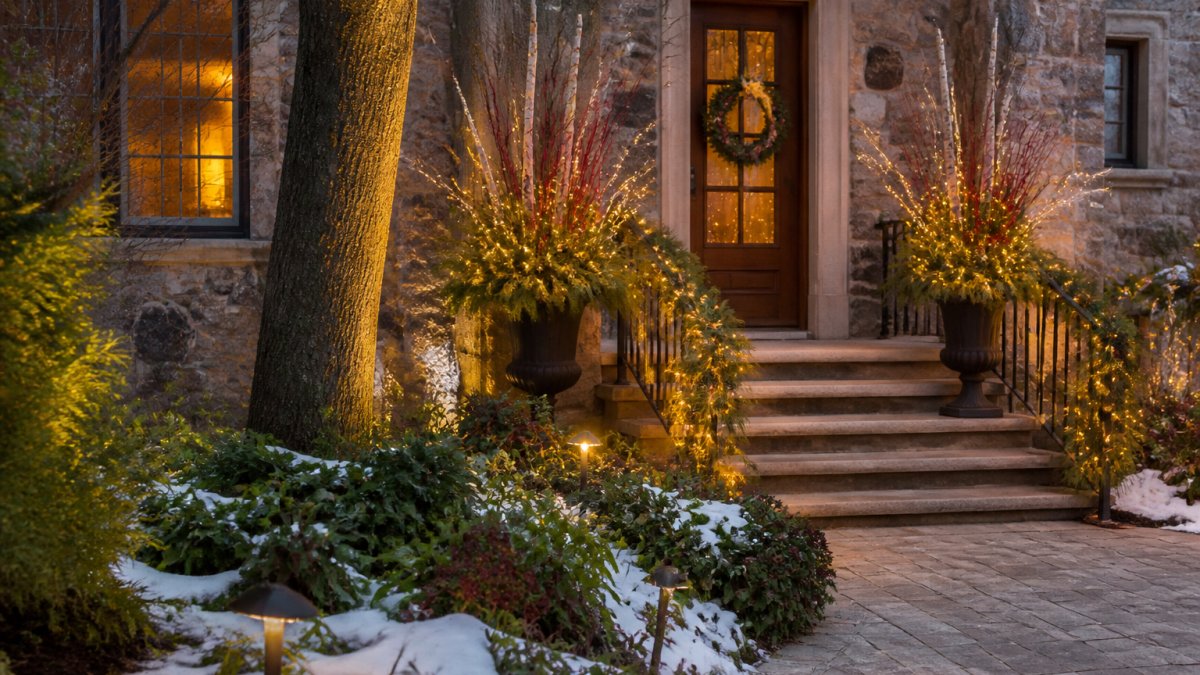
This continuity is particularly valuable for luxury homeowners with busy schedules. Instead of managing multiple vendors, you have a single point of contact for everything from landscape installation to seasonal cleanup, including winter preparation and snow management. As the season shifts, that same team can also handle your Holiday Lighting and Décor, ensuring your property looks festive and welcoming without you lifting a finger.
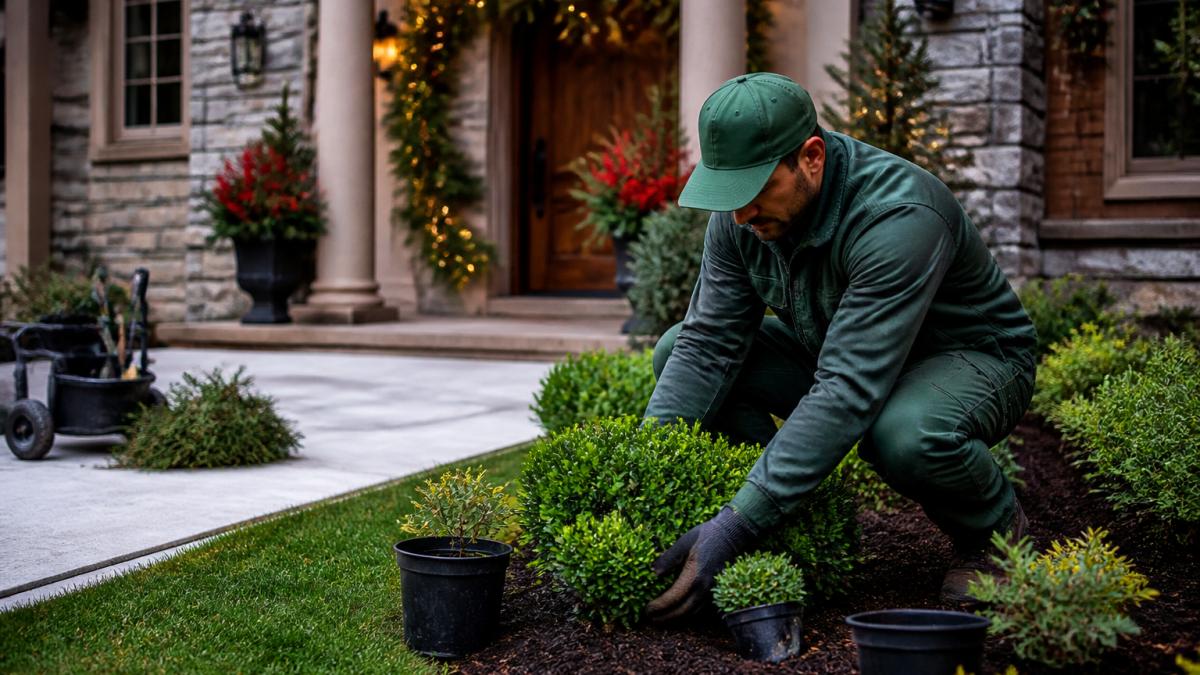
For properties that demand a high standard of care, this integrated approach protects the investment. The crew that installs the plants understands their specific needs, and the team that builds the irrigation system knows exactly how to service it.
Budgeting and ROI: What Your Landscape Investment Returns
A well-executed landscape is one of the few home improvements that can offer a strong return on investment, enhancing both the enjoyment of the home and its market value. While a new kitchen or bathroom may date quickly, mature plantings and timeless hardscape design often increase in appeal over time.
When budgeting, prioritize investments that offer the most significant visual impact. Large trees, structural hardscaping, and outdoor living spaces tend to offer the greatest return, as they are expensive and time-consuming for a new owner to install. A well-designed landscape can also help with energy efficiency.
The key is to view landscaping not as an expense, but as a strategic investment in the property's long-term value and your family's quality of life. A clear plan helps you phase the work over time if needed.
Sustainable and Native Planting: Designing for the Local Climate
Sustainable and native planting is no longer a niche trend; it is a smart strategy for creating a resilient, lower-maintenance landscape that thrives in the local climate. The goal is to build a landscape that is both beautiful and biologically appropriate for Westchester's specific conditions.
Why Native Plants Are the Smarter Choice Here
Our region's climate is characterized by hot, humid summers and cold winters, with a growing season that typically runs from late April to mid-October (noaa.gov). Native species have evolved to thrive in these conditions and in our local soil types.
Choosing native plants means working with the environment, not against it. Once established, they typically require significantly less supplemental watering than non-native ornamentals (the EPA). They are also naturally more resistant to local pests and diseases, reducing the need for chemical fertilizers and pesticides.
A Starter Palette for Westchester Gardens
A common misconception is that native planting means a wild, unkempt yard. A skilled designer can use native species to create a formal, structured, and luxurious aesthetic. Here are a few reliable workhorses for our area:
- For Structure and Year-Round Interest: Ilex verticillata (Winterberry) offers brilliant red berries in the winter. Cornus sericea (Red Osier Dogwood) provides striking red stems against the snow.
- For Seasonal Color: Echinacea purpurea (Purple Coneflower) and Rudbeckia hirta (Black-Eyed Susan) are hardy perennials that provide long-lasting summer color and attract pollinators. Amsonia hubrichtii (Bluestar) offers delicate blue flowers in spring and brilliant golden foliage in the fall.
- For Groundcover and Erosion Control: Carex pensylvanica (Pennsylvania Sedge) is an excellent native alternative to turf grass for shady, dry areas under trees. It creates a soft, fine-textured green carpet that requires minimal mowing.
The Water Management Connection
A sustainable design is not just about what you plant; it is also about how you manage water on the property. Our region experiences intense downpours, and traditional lawns and impervious surfaces often send stormwater rushing into the street and municipal storm drains.
A more resilient approach incorporates water management into the design itself:
- Rain Gardens: These are shallow, planted depressions designed to capture and absorb runoff from your roof or driveway. Planted with moisture-tolerant natives, they turn a drainage problem into a beautiful garden feature.
- Permeable Pavers: For patios and driveways, permeable paver systems allow rainwater to infiltrate the ground directly beneath the surface, recharging the groundwater and reducing runoff. This is a practical and attractive solution for properties with poor drainage.
The Luxury Aesthetic of a Native Landscape
This approach does not mean sacrificing the luxury aesthetic. In fact, a well-designed native planting scheme often offers a richer tapestry of texture and seasonal change than a traditional foundation planting of boxwoods and annuals. By layering native grasses, perennials, and shrubs, a designer can create a landscape that feels established and intentional, and looks stunning with fewer inputs.
Conclusion: Start Your White Plains Landscape Design Project Today
Transforming your property into a stunning outdoor sanctuary is a significant undertaking, but with the right plan and the right partner, it is a rewarding investment. Attempting to manage this across multiple contractors often leads to delays, miscommunication, and results that fall short of the vision.
This is where a full-service provider makes the difference. Four Seasons Landscaping NY offers the convenience of working with one trusted, family-owned company for your entire project. With over 20 years of experience, our fully insured professional crew delivers consistent, high-end results that match luxury home standards.
Get started with Four Seasons Landscaping NY and turn your outdoor vision into a reality that you will enjoy for decades.
Frequently Asked Questions
What does a landscape designer charge per hour in White Plains?
Hourly rates for landscape designers in the White Plains area vary widely based on experience, project scope, and whether the firm offers full-service installation. Many professionals instead quote per project, which gives you a clearer picture of total investment upfront. The landscape design cost factors that matter most include property size, site complexity, and the level of detail in the planting plan. For an accurate number tailored to your property, request a consultation and a written quote from a local design-build firm.
How does professional landscape design increase property value?
A well-executed landscape plan directly improves curb appeal, which is the first thing potential buyers see. Thoughtful hardscaping, mature native plantings, and functional outdoor living spaces extend your usable square footage, making the property more desirable. In competitive Westchester markets, a cohesive design that looks intentional rather than piecemeal signals to buyers that the home has been cared for. Consistent maintenance keeps that value intact, so plan for year-round care from the start.
What should I look for when hiring a landscaping company in White Plains?
Look for a licensed and fully insured crew, a transparent quoting process that puts costs in writing, and a portfolio of completed projects that matches your aesthetic. Ask who handles each phase, from the initial design consultation to the final walkthrough, and confirm they service your specific area. A firm with 20+ years of local experience will understand the soil, climate, and zoning realities of Westchester County. Request references and verify their track record with properties similar to yours.