 how-to
How to Maintain Luxury Lawn Grass in Summer
Table of Contents
- Understanding Summer Stress on Premium Turf
- Optimal Mowing Height for Summer Grass
- Lawn Irrigation Scheduling Best Practices
- Best Summer Lawn Fertilizer and Nutrient Management
- Managing Soil Health and Compaction
- Repairing Bare Patches and Restoring Turf Resilience
- Pest and Disease Management in Summer Heat
- Common Summer Lawn Mistakes to Avoid
- Frequently Asked Questions
Last Updated: October 2, 2026
Understanding Summer Stress on Premium Turf
Maintaining a luxury lawn during summer heat is fundamentally different from standard grass care. High-end turf faces unique challenges when temperatures spike and rainfall drops.
Summer stress hits grass hard. Heat, drought, and foot traffic combine to create conditions where even the healthiest lawn struggles.
Signs of Drought Stress and Heat Damage
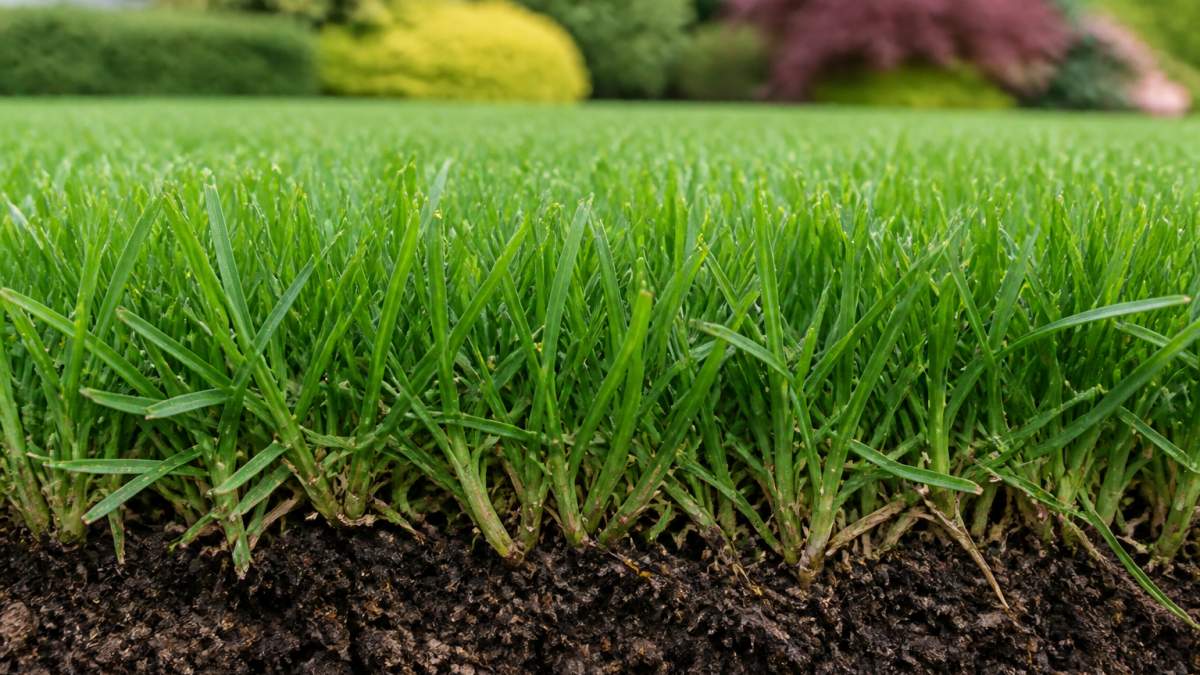
Drought stress appears as discoloration before visible wilting. Look for these warning signs:
- Grass blades turning blue-gray or dull green
- Footprints remaining visible in the lawn (turf not bouncing back)
- Soil pulling away from hardscape edges
- Brown patches appearing in high-traffic areas
- Wilting that doesn't recover overnight
Heat damage looks different. Grass exposed to sustained temperatures above 85°F starts shutting down. The plant redirects energy from leaf growth to root survival. This is why summer lawn recovery timing matters, you need to intervene before the plant enters dormancy.
Why Grass Species Matter in Summer
Not all premium grasses handle summer equally. Cool-season grasses like fescue and bluegrass thrive in spring and fall but struggle when heat arrives. Warm-season grasses like Bermuda and zoysia love summer but go dormant in winter.
Your grass species determines your entire maintenance strategy. A luxury fescue lawn needs completely different summer care than a warm-season property. This is where most homeowners make mistakes, they apply generic summer advice that works against their actual grass type.
Optimal Mowing Height for Summer Grass
The single most important summer mowing rule: mow higher than you think you should. Taller grass shades the soil and protects roots from heat stress.
For cool-season grasses, keep blades at 3 to 3.5 inches. For warm-season varieties, maintain 2 to 2.5 inches.
Mowing too short is the fastest way to damage a luxury lawn. When you cut below the recommended height, you expose the crown of the plant to direct sun.
Blade Sharpness and Clipping Management
Sharp mower blades make the difference between a healthy cut and torn grass tissue. Dull blades crush the blade tip, creating a brown, frayed edge that invites disease.
Sharpen your mower blades every 20 operating hours during summer. A professional can do this in 30 minutes. It's one of the cheapest maintenance investments you can make.
Leave grass clippings on the lawn. They return nutrients to the soil and reduce the need for fertilizer.
Lawn Irrigation Scheduling Best Practices
Summer watering is where most luxury lawns fail. Too much water creates shallow roots and disease. Too little water and the grass simply dies.
Water early in the morning, between 5 and 8 AM. This timing lets the grass dry before evening, which reduces disease pressure. Evening watering leaves the turf wet overnight, perfect conditions for fungal problems.
Apply 1 to 1.5 inches of water per week, delivered in one deep session rather than daily sprinkles. This amount includes rainfall, so adjust if you get rain.
Deep Watering and Root Zone Development
Root zone depth determines drought resilience. Shallow roots can't access moisture deeper in the soil. Deep roots tap into reserves that stay moist even during dry spells.
Shallow, frequent watering trains roots to stay near the surface. Deep, infrequent watering forces roots to grow downward chasing moisture.
Check soil moisture before watering. Push a screwdriver into the ground, it should slide easily to 6 inches. If you hit resistance before that, the soil is dry.
Smart Irrigation Technology and Programmable Timers
Modern irrigation systems take guesswork out of watering. Programmable timers let you set a schedule and forget it.
Smart controllers adjust watering based on weather. If rain falls overnight, the system skips the next scheduled watering. During heat waves, it increases frequency automatically. This prevents both overwatering and underwatering.
These systems are particularly valuable for busy luxury homeowners who can't monitor lawn conditions daily. The investment pays back through reduced water waste and better turf health.
Best Summer Lawn Fertilizer and Nutrient Management
Summer fertilizer strategy is counterintuitive. Most homeowners over-fertilize in summer, which actually stresses grass during peak heat. The right approach is lighter feeding with the right nutrient balance.
Apply a slow-release fertilizer with lower nitrogen levels than spring applications. High nitrogen in summer pushes soft, tender growth that's vulnerable to heat damage.
Timing matters. Fertilize in early summer (May or early June) before peak heat arrives. A second light application in late summer (late August) supports recovery as temperatures cool.
Nitrogen Levels and Heat Stress Protection
Nitrogen drives leaf growth. In spring, that's exactly what you want. In summer, that rapid growth creates tender, water-hungry tissues that wilt in heat.
Use a fertilizer with an NPK ratio like 10-10-10 or 5-10-10 for summer applications. The lower first number (nitrogen) prevents excessive growth. The higher middle number (phosphorus) supports root development.
Liquid fertilizers work faster than granular ones if you need quick results. Granular slow-release products feed steadily over weeks. Both have their place, liquid for immediate response, granular for consistent nutrition.
Managing Soil Health and Compaction
Compacted soil is the silent killer of luxury lawns. Foot traffic, equipment, and heavy rain all compress soil over time. Compacted soil reduces water infiltration and root penetration. Grass growing in compacted soil struggles even with perfect watering and fertilizer.
Soil compaction gets worse in summer. Heavy use of the lawn during entertaining season combines with heat stress to create the worst conditions. This is when soil health becomes critical.
Aeration Timing and Soil Amendment Science
Aeration relieves compaction by creating small holes in the soil. This opens pathways for water, air, and roots. For cool-season grasses, aerate in fall or early spring.
Summer aeration is generally not recommended for cool-season grasses because it stresses the plant during peak heat. The exception is warm-season grasses, which benefit from early-summer aeration before peak heat arrives.
After aeration, apply soil amendments to improve structure. Compost and organic matter help soil retain moisture and resist compaction.
Thatch Accumulation and Moisture Retention
Thatch is dead grass and root material that builds up between living grass and soil. A thin thatch layer (less than half an inch) is normal and beneficial.
Thatch accumulation accelerates in summer because growth is rapid and decomposition slows in heat. If your lawn has thick thatch, dethatch in spring or fall, not summer.
Moisture retention improves when soil structure is healthy. Compacted soil with heavy thatch sheds water. Aerated soil with light thatch absorbs water and holds it where roots can access it.
Repairing Bare Patches and Restoring Turf Resilience
Bare patches appear in summer from disease, heavy traffic, or drought stress. The instinct is to seed immediately, but summer seeding usually fails. Seeds need consistent moisture and cool temperatures to germinate. Summer heat and dry conditions kill most new seed.
Instead, repair bare patches in fall or spring when conditions favor seed germination. In summer, focus on preventing the damage from spreading. Keep surrounding grass healthy so it can expand into bare areas naturally.
Grass Seed Selection and Lawn Recovery Timing
When you're ready to seed, choose the right seed for your grass type and sunlight. Shade-tolerant varieties for under trees, sun varieties for open areas.
Fall is the ideal seeding window for cool-season grasses. Spring works for warm-season varieties. Summer seeding is possible but requires daily watering to keep seed moist until germination, impractical for most homeowners.
Lawn recovery takes time. New seed needs 3 to 4 weeks to establish. Young grass is fragile and shouldn't be walked on heavily for at least 6 weeks.
Pest and Disease Management in Summer Heat
Summer heat creates ideal conditions for disease. Fungal problems like brown patch and dollar spot thrive in warm, humid conditions.
Prevention is easier than treatment. Proper watering, mowing height, and air circulation reduce disease risk dramatically. Water early morning so grass dries quickly.
If disease appears, identify it correctly before treating. Many summer problems look similar but need different solutions. Brown patch looks like brown circles.
Chemical treatments exist for serious problems, but they're a last resort.
Common Summer Lawn Mistakes to Avoid
The biggest mistake is watering too frequently in shallow doses.
Mowing too short is the second major error. Every homeowner is tempted to mow shorter to reduce mowing frequency.
Over-fertilizing in summer creates tender growth that can't handle heat.
Ignoring soil compaction until problems appear is expensive.
Waiting until grass is dead before taking action is the final common mistake.
Maintaining a luxury lawn through summer heat requires a completely different approach than spring care.
Frequently Asked Questions
How often should luxury lawns be watered during a heatwave?
During extreme heat, water deeply 2-3 times per week rather than shallow daily watering. Early morning irrigation (before 8 AM) minimizes evapotranspiration and allows the root zone to absorb moisture before peak temperatures. Adjust based on rainfall and soil moisture. Smart irrigation systems with soil sensors take guesswork out of scheduling and prevent both drought stress and nutrient runoff.
What is the best fertilizer for lawn grass in hot summers?
Summer fertilizers should have lower nitrogen levels than spring applications to avoid pushing new growth during heat stress. Look for balanced formulations with potassium to strengthen turf resilience and improve drought tolerance. Slow-release or controlled-release products prevent nutrient runoff and maintain steady feeding. Apply in early summer before peak heat arrives, then switch to light applications or skip feeding during the hottest months.
Is it better to cut your grass short or long in the summer?
Keep grass taller in summer, typically 3.5 to 4 inches for cool-season varieties. Taller blades shade the soil, reduce evapotranspiration, and protect the root zone from heat damage. Mow frequently enough to remove no more than one-third of the blade length per cut. Sharp blades prevent ragged cuts that invite disease. Leaving grass clippings on the lawn adds organic matter and improves soil health.
What are the signs of heat stress in premium turfgrass?
Watch for wilting, color changes from green to blue-gray, thin or bare patches, and reduced density. Soil compaction and poor drainage worsen heat stress. If turf shows dormancy or browning despite adequate water, aeration may be needed to improve root zone health. Addressing soil compaction and ensuring deep watering prevents long-term turf damage and supports lawn recovery.