 ultimate-guide
Seasonal Landscape Cleanup Services: A 2026 Guide
Table of Contents
- Why Seasonal Landscape Cleanup Matters for Property Value
- Spring Yard Cleanup Checklist for Westchester Properties
- Fall Leaf Removal Services and Property Winterization
- Winterizing Irrigation Systems and Protecting Landscape Health
- DIY vs. Professional Seasonal Cleanup: What You Should Know
- Cost Estimation and Transparent Pricing for Seasonal Services
- Eco-Friendly Disposal Practices in Seasonal Maintenance
- Seasonal Landscape Cleanup on Your Schedule
- Frequently Asked Questions
Last Updated: August 31, 2026
Why Seasonal Landscape Cleanup Matters for Property Value
Your property's curb appeal directly impacts how potential buyers, clients, or visitors perceive your home or business. Seasonal landscape cleanup is the foundation of maintaining that first impression year-round. Without it, debris accumulates, plants weaken, and your outdoor space deteriorates faster than expected.
Properties that receive consistent seasonal maintenance hold their value better and require fewer emergency repairs. Winter damage left unaddressed creates spring problems. Fall leaves blocking drainage systems lead to spring flooding. A professional approach prevents these cascading issues before they become expensive.
At Four Seasons Landscaping NY, we've managed seasonal transitions for Westchester properties over two decades. The difference between a property that looks great year-round and one that deteriorates isn't luck, it's planning. A structured seasonal cleanup approach keeps your landscape healthy, your property safe, and your outdoor investment protected.
Spring Yard Cleanup Checklist for Westchester Properties
Spring cleanup requires a systematic approach to address three critical areas: assessing damage, preparing soil, and removing winter debris before new growth takes over.

Assessing Winter Damage and Debris
Start by walking your entire property and documenting what winter left behind. Broken branches, downed limbs, frost heave in beds, and exposed root systems are common. Take photos of damaged areas to create a record and help prioritize what needs immediate attention.
Winter damage assessment prevents safety hazards and pest infestations. A branch hanging over your roof creates risk. Frost heave can crack hardscaping and destabilize plantings. Your spring yard cleanup checklist should include:
- Removing all dead branches and limbs
- Identifying plants that didn't survive winter
- Checking for frost heave in planting beds
- Inspecting hardscaping for cracks or settling
- Clearing gutters and drainage areas of winter debris
Soil Preparation and Perennial Bed Maintenance
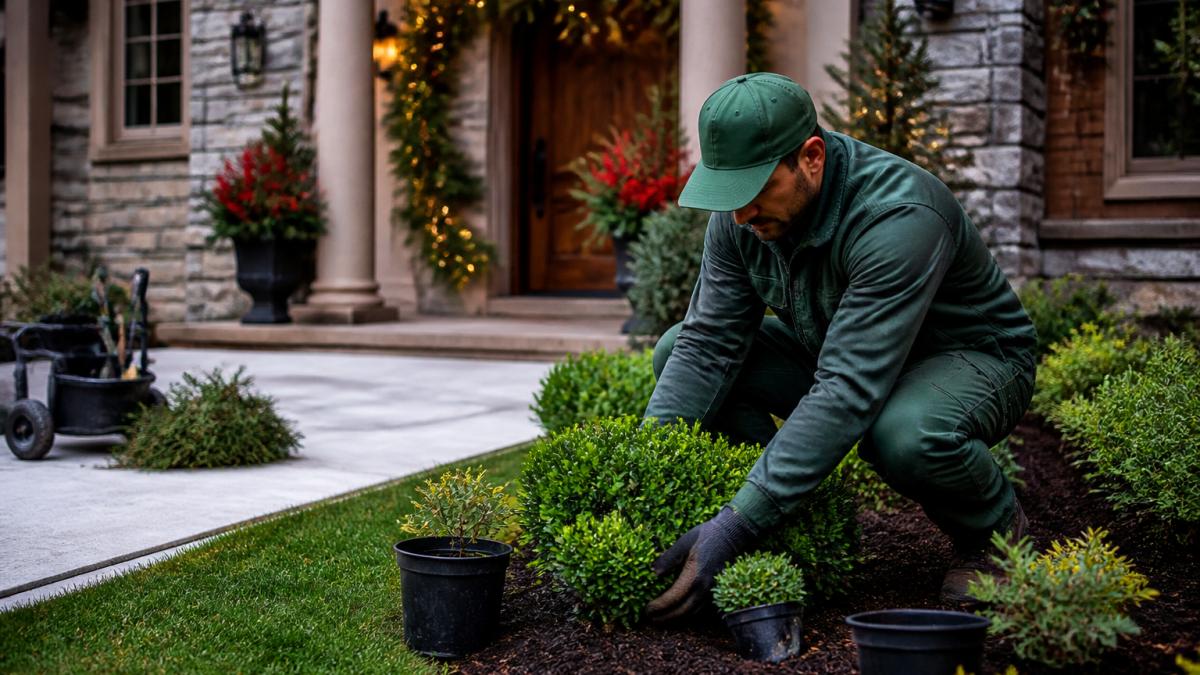
Once debris is cleared, focus on soil health. Winter compaction and moisture changes affect how your beds perform in spring. Perennial bed maintenance means refreshing mulch, aerating compacted soil, and preparing beds for new growth.
Mulch should be 2-3 inches deep, not piled against plant stems (peer-reviewed research). If your mulch has broken down significantly over winter, add fresh material to regulate soil temperature, retain moisture, and suppress weeds. For perennial beds, early spring is ideal for dividing overcrowded plants, amending soil with compost, and edging beds to prevent grass encroachment.
Fall Leaf Removal Services and Property Winterization
Fall cleanup is arguably more critical than spring. The leaves, debris, and weather changes of autumn directly determine how well your property survives winter. Fall leaf removal services and winterization work together to protect your landscape investment.
Debris Disposal and Yard Waste Management
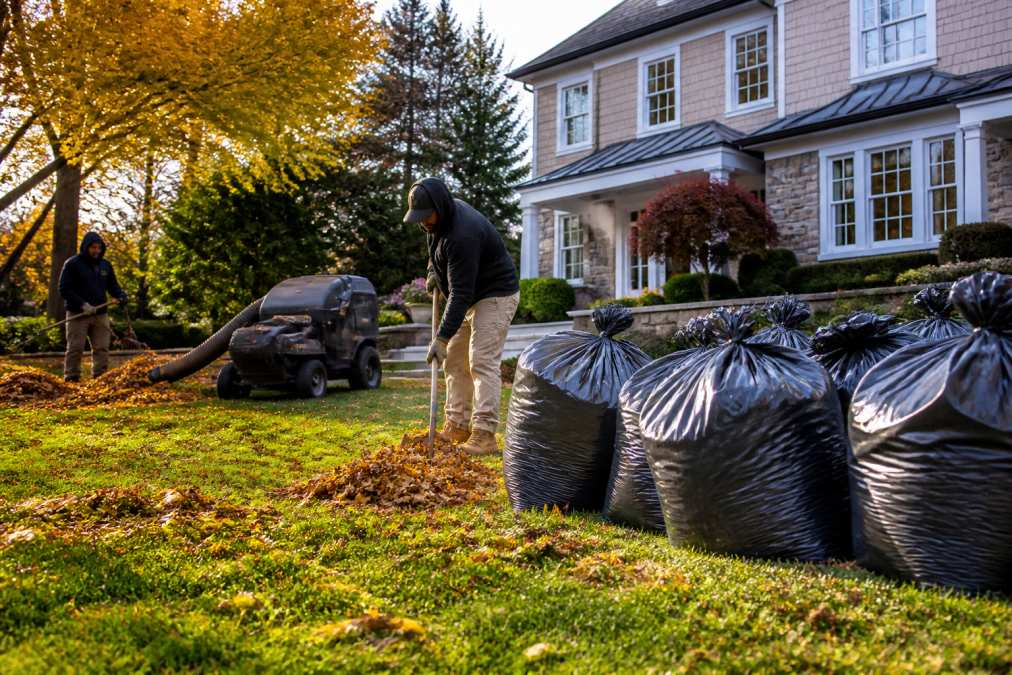
Fallen leaves block drainage, smother grass, and create conditions for disease. A single mature tree can drop hundreds of pounds of leaves over a few weeks (peer-reviewed research). Left unmanaged, they mat down on your lawn, killing grass underneath and clogging gutters, downspouts, and drainage systems.
Professional leaf removal services handle this efficiently using commercial equipment. Your fall cleanup checklist should include:
- Weekly or bi-weekly leaf removal during peak drop season
- Gutter and downspout cleaning
- Drainage area clearing
- Debris consolidation for composting or removal
Preparing Shrubs and Trees for Winter
Remove dead or diseased wood in fall, but avoid heavy pruning that stimulates new tender growth vulnerable to frost. For evergreens, ensure adequate moisture before ground freeze. Winter desiccation, where frozen soil prevents water uptake while winter wind and sun dry foliage, kills many evergreens (peer-reviewed research). Deep watering in late fall significantly improves winter survival.
Trees benefit from pruning that removes storm-damaged limbs and improves structure, but avoid removing more than 25% of the canopy.
Winterizing Irrigation Systems and Protecting Landscape Health
Winterization is essential in Westchester's climate. Frozen water in irrigation lines expands and cracks pipes. Professional winterization involves draining all water from lines, blowing out remaining moisture with compressed air, and shutting down the system before sustained freezing temperatures arrive.
Beyond irrigation, winter protection means mulching beds to insulate roots, staking newly planted trees to prevent wind damage, and wrapping vulnerable evergreens if heavy snow is forecast.
DIY vs. Professional Seasonal Cleanup: What You Should Know
The question many homeowners face is whether to handle seasonal landscape cleanup themselves or hire professionals. Both approaches have real trade-offs worth understanding.
When DIY Cleanup Makes Sense
DIY cleanup works best if you meet most of these criteria:
- Property size under 0.5 acres with fewer than 5 mature trees
- You have 20-30 hours available for fall cleanup and 10-15 hours for spring
- You're physically capable of raking, lifting, climbing ladders, and operating equipment safely
- Your property has simple drainage with no standing water issues
- You enjoy outdoor work and have realistic expectations about timeline
When Professional Services Pay for Themselves
Professional seasonal landscape cleanup becomes the better choice if:
- Your property is 0.75 acres or larger, or has 8+ mature trees
- You lack equipment or storage space for rentals
- Safety is a concern with heights, machinery, or large debris
- You have limited time; professionals accomplish in one day what takes you a month of weekends
- Your property has drainage issues, grading problems, or complex hardscaping
- You want preventive maintenance to identify problems before they become expensive repairs
- Local regulations require specific disposal methods
The Hidden Cost of DIY: Prevention vs. Repair
One factor homeowners underestimate is the cost of problems created by incomplete cleanup. Clogged gutters left unaddressed through fall lead to spring water damage. Matted leaves smother lawn, requiring spring reseeding. Frozen water in irrigation lines cracks pipes. Unpruned branches break under snow load. Frost heave destabilizes plants and cracks hardscaping.
A single prevented problem often justifies the cost of professional fall cleanup.
The DIY vs. Professional Decision Checklist
Choose DIY if:
- Property is under 0.5 acres
- Fewer than 5 mature trees
- You have 30+ hours available in fall and 15+ in spring
- No drainage or grading issues
- You're comfortable with heights and equipment operation
Choose Professional if:
- Property is 0.75+ acres or has 8+ mature trees
- You have limited time or prefer not to spend weekends on yard work
- Your property has drainage, grading, or complex hardscaping
- You want preventive assessment for problems you might miss
- Safety concerns exist with heights, equipment, or physical capability
- You've had water damage, pest issues, or plant failures in the past
For most Westchester properties larger than a quarter-acre or with significant tree coverage, professional services typically deliver better value through prevention, efficiency, and expertise.
Cost Estimation and Transparent Pricing for Seasonal Services
Seasonal landscape cleanup pricing varies based on property size, debris volume, and specific services required. Understanding what affects cost helps you budget realistically and evaluate proposals fairly.
Factors That Influence Seasonal Cleanup Costs
Factors that directly impact pricing include:
- Property size: Larger properties generate more debris and require more time
- Tree count and species: Mature trees shed significantly more volume than younger plantings
- Landscape complexity: Dense plantings, multiple planting beds, hardscaping, and drainage systems require more detailed work
- Debris disposal method: Composting on-site costs less than chipping and removal
- Additional services: Shrub and tree pruning, mulch application, and irrigation winterization each add to base costs
- Service frequency: Weekly fall leaf removal costs less per visit than a single comprehensive cleanup
- Accessibility: Properties with limited equipment access require manual labor, increasing time and cost
What Transparent Pricing Should Include
Reputable service providers assess your property in person and provide itemized estimates that break down base cleanup costs, optional add-ons, disposal fees, seasonal adjustments, and frequency discounts.
When evaluating multiple proposals, look for itemized breakdowns rather than flat-rate quotes. Ask each provider what's included in the base service, what triggers additional charges, how debris is handled, whether there are seasonal price variations, and whether services are contract-based or à la carte.
Eco-Friendly Disposal Practices in Seasonal Maintenance
Environmental responsibility in seasonal landscape cleanup reflects how the industry is evolving. Composting is the most common sustainable practice, leaves and yard debris break down into nutrient-rich compost suitable for mulching beds or amending soil.
Chipping woody debris creates mulch for pathways or planting beds. Grasscycling, leaving grass clippings on the lawn rather than bagging them, returns nitrogen to soil and reduces waste. Local regulations increasingly encourage or require sustainable disposal, making composting and chipping the only viable options.
Seasonal Landscape Cleanup on Your Schedule
One of the biggest obstacles homeowners face is timing. Spring cleanup must happen before new growth explodes; fall cleanup must be completed before winter arrives. Missing these windows creates problems that compound.
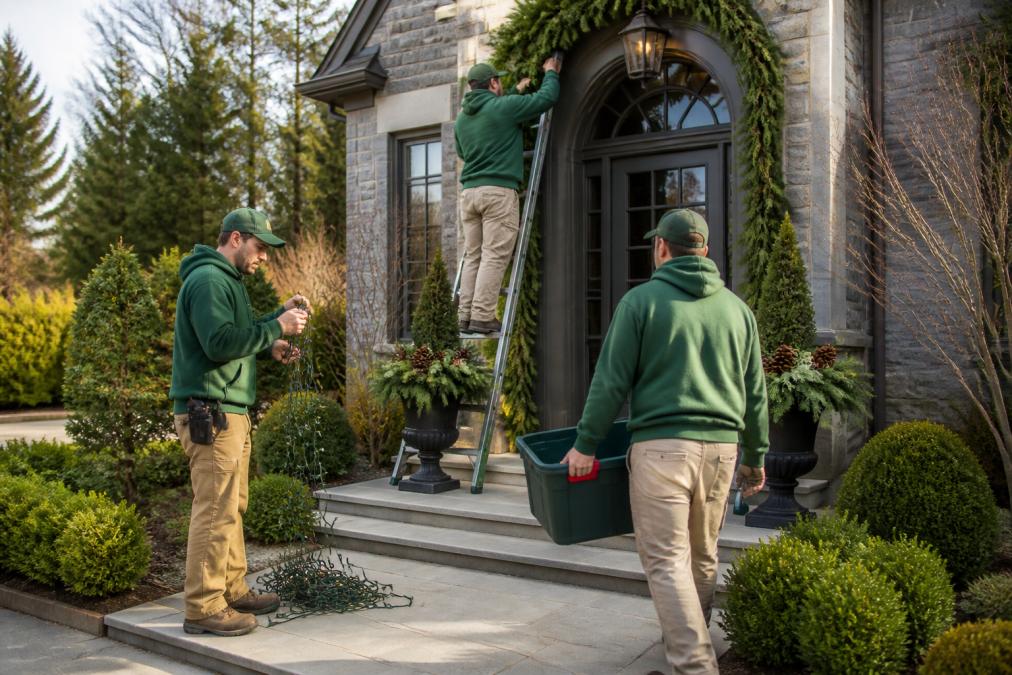
Professional services offer scheduling flexibility and manage the calendar to ensure work happens at the right time. For busy professionals and property managers, scheduled seasonal maintenance removes the burden of remembering when cleanup is needed. This is particularly valuable for commercial properties and managed communities. As the seasons transition, our team also helps prepare your property for year-end celebrations with Holiday Lighting and Décor services that enhance your outdoor space during the festive months.
Seasonal landscape cleanup is the difference between a property that deteriorates and one that thrives. Four Seasons Landscaping NY handles every aspect of seasonal maintenance, from spring debris removal and soil preparation to fall leaf management and winter protection. Our team ensures your landscape stays healthy year-round, protecting your property investment and keeping your outdoor space beautiful through every season. Get your free quote today and discover how professional seasonal landscape cleanup transforms your property.
Frequently Asked Questions
What specific tasks are included in professional seasonal landscape cleanup?
Professional seasonal cleanup typically includes debris removal, pruning dead branches, mulching beds, lawn aeration, gutter cleaning, and winterization preparation. Spring cleanup focuses on removing winter debris and preparing beds for new growth. Fall cleanup emphasizes leaf removal, shrub trimming, and protecting plants for winter dormancy. The exact scope depends on your property's needs and your landscaper's recommendations for optimal landscape health.
How does a spring yard cleanup checklist help prepare my landscape?
A spring yard cleanup checklist ensures no critical tasks are missed after winter. It guides you through assessing damage, clearing debris, preparing soil, aerating lawns, and addressing perennial bed maintenance. This systematic approach prevents disease, promotes healthy growth, and establishes the foundation for curb appeal throughout the growing season. Professional landscapers use detailed checklists to guarantee consistent, thorough results.
Why is winterizing irrigation systems important before cold weather?
Winterizing irrigation systems prevents frozen water from cracking pipes and damaging equipment during freeze-thaw cycles. This process involves draining lines, blowing out water, and shutting down systems before the first frost. Proper winterization extends equipment lifespan, prevents costly spring repairs, and ensures your irrigation system functions reliably when you restart it. Neglecting this step can result in significant damage and expensive replacements come spring.
When is the best time to schedule seasonal yard cleanup in this region?
Spring cleanup should begin in April as soil thaws and growth emerges. Fall cleanup works best from September through October before heavy leaf drop and the first hard frost. Scheduling early ensures your landscaper has availability and your property has time to transition smoothly between seasons. Local climate conditions affect timing, so discussing your property's specific needs with a professional helps determine the ideal schedule for your landscape maintenance.
This article was written using GrandRanker